


We held the Symposium 2024.
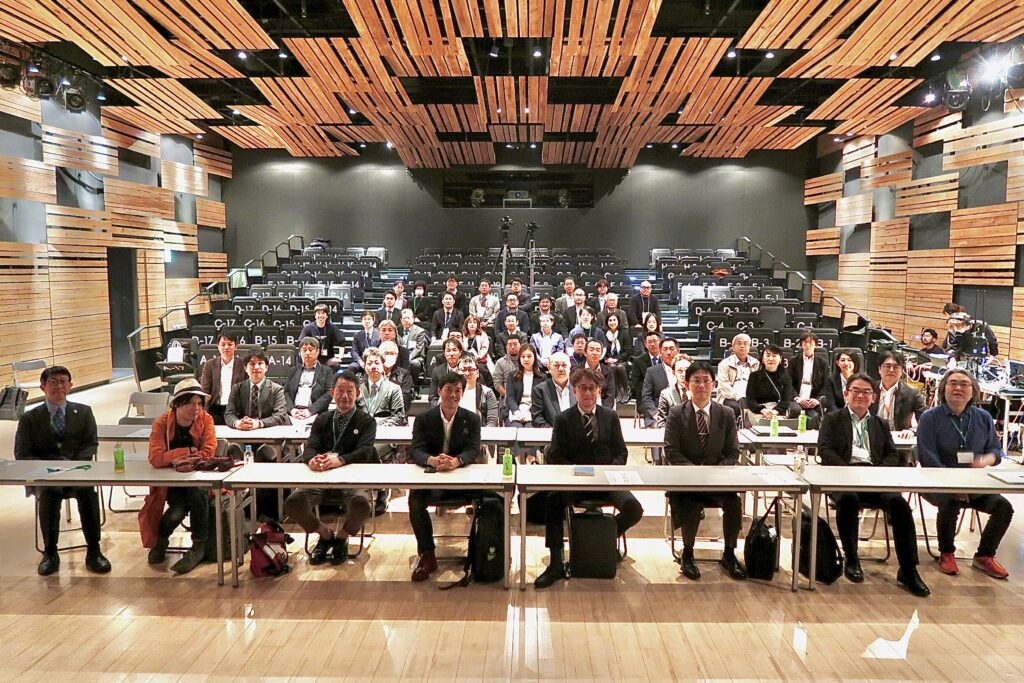
On Thursday, November 7, we held the “JST Co-creation Hub Formation Support Program (COI-NEXT) ”Niigata Region Co-creation for a Fully Circular Resource Bio-Community Hub in the “Rice-Producing Region”’ Symposium 2024” at Aore Nagaoka.
At this symposium, in addition to presenting reports on the center’s activities and research, participants engaged in discussions, networking, and the exchange of information regarding the future direction of the center’s activities.
On the day of the event, we were joined by many participants from both within and outside the prefecture, both in person and online.
Thank you to everyone who participated.
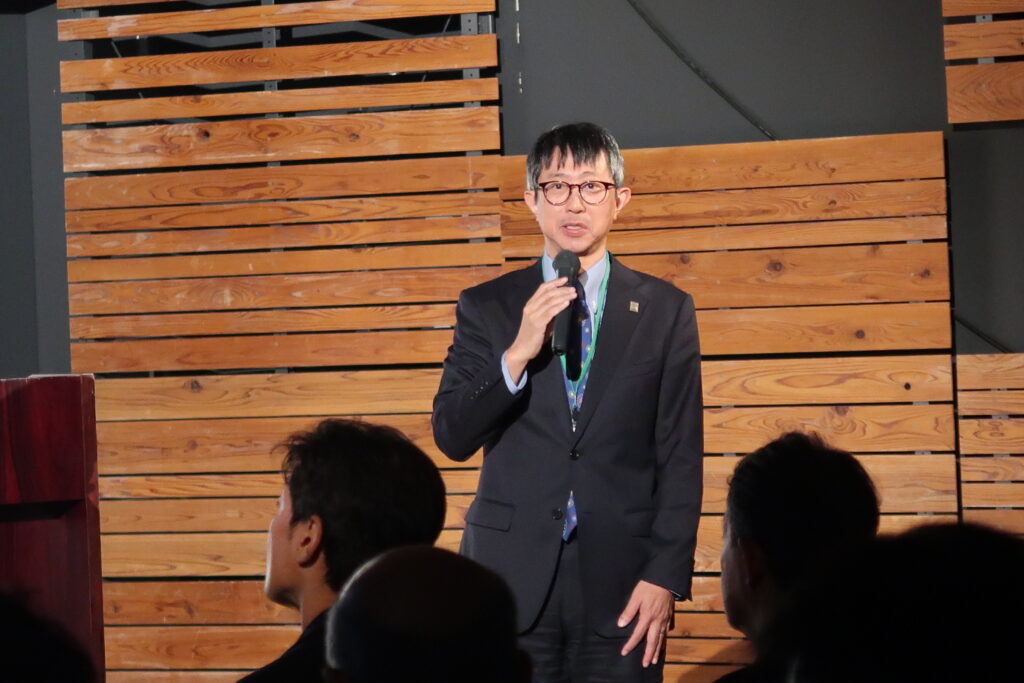
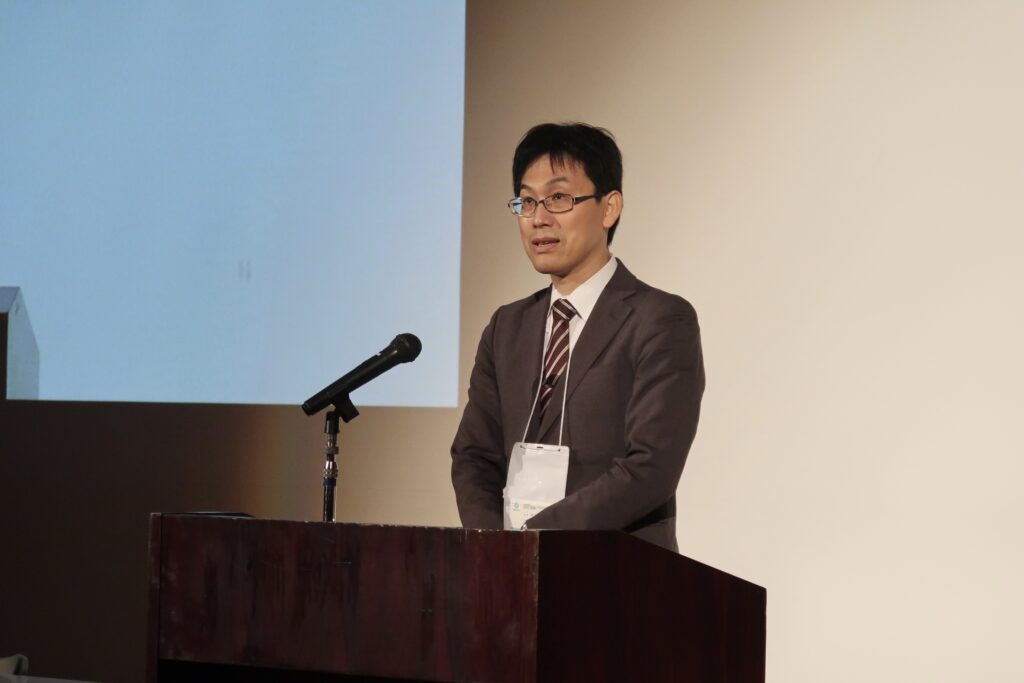
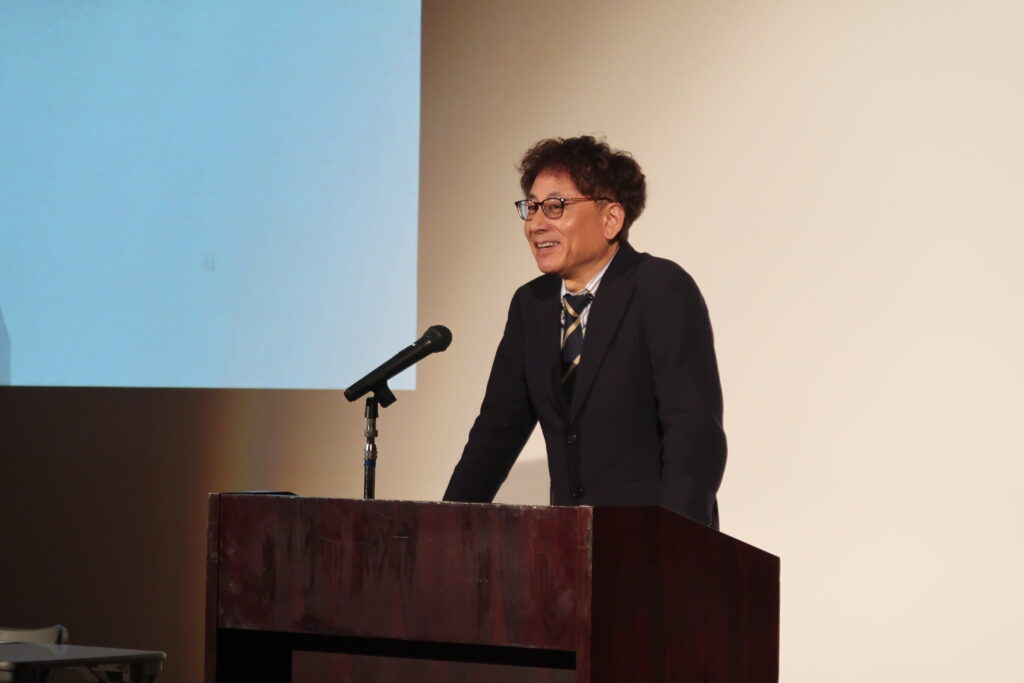
In Part 1, Director Minoru Umeda, Mr. Tatsunobu Isoda (Mayor of Nagaoka), Mr. Hiroki Hirano (Ministry of Education, Culture, Sports, Science and Technology), and Mr. Norihiro Nishimura (Deputy Program Officer, Japan Science and Technology Agency) delivered opening remarks and shared their expectations for this center.

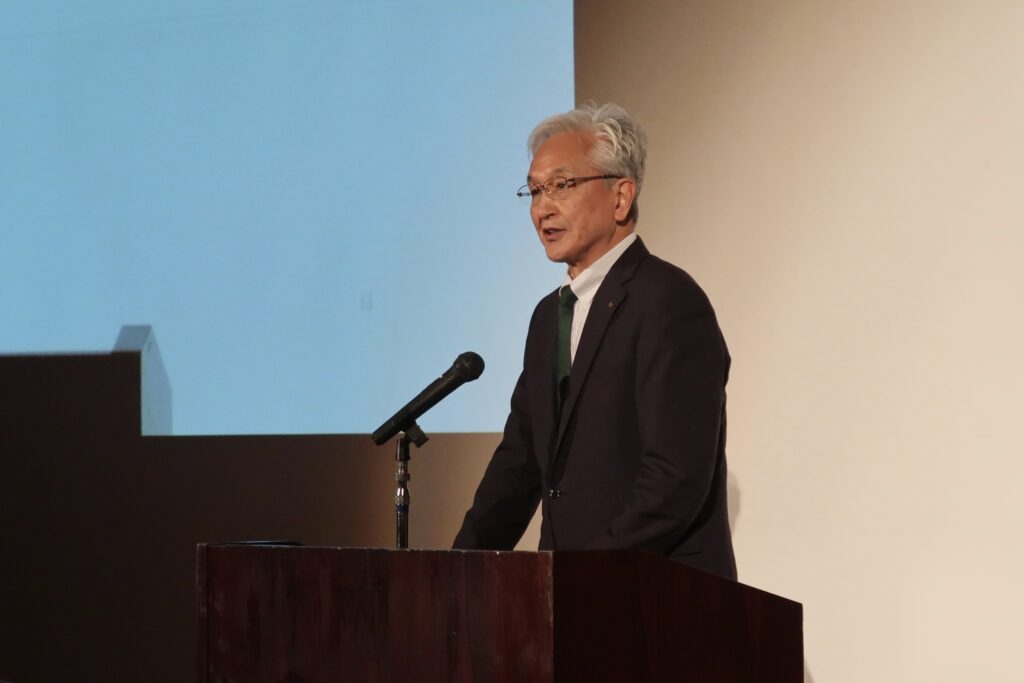
In the subsequent report on the center’s activities, Professor Wataru Ogasawara, the project leader of this center, addressed the current situation facing farmers. He urged them not to be swayed by the ups and downs caused by high-temperature damage and price fluctuations resulting from the “rice riots,” but rather to focus on passing on to ensure that “rice paddies” and “rice” are passed on to the next generation, it is essential to clearly convey the producers’ stories (who produced it, what they were thinking, and how it was produced) and the process from production to the consumer (how it was stored, when it was threshed, polished) that are properly conveyed. He explained that this adds value and ultimately leads to the rice paddies being passed on to the next generation.
Furthermore, in order to actually add value, we need to reframe “rice” through the keywords “farmers” attitudes and dedication,“ ”fresh ingredients,” and “storage methods,” and to understand “rice paddies” as “places for fostering local communities,” “places closely linked to ‘fermentation,’” and “places that have carried on Japanese culture and the Japanese spirit.” He emphasized that finding the right “way to convey” these concepts is crucial.
In addition, we have been focusing on “communication (visualization)” to transform perceptions of “rice” and “rice paddies”—through hosting various events, conducting educational activities for elementary and junior high school students who will lead the next generation, and publishing research in *Nature* to reach a global audience. Looking ahead, in addition to these efforts, we shared our future direction with the participants: we plan to establish a facility on campus where we can showcase the research process, take responsibility for providing scientific evidence centered on snow cellars, and continue to share these findings with the public.
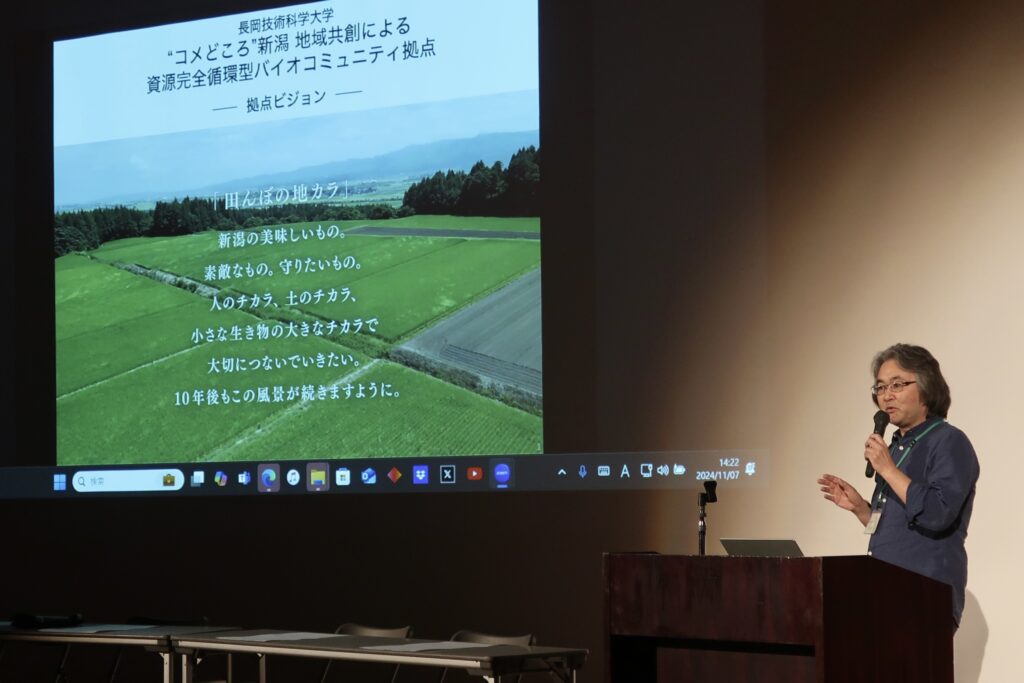
In the “Research Activity Report,” Associate Professor Shida from our university began by providing an overview of the research. He outlined the overall framework of this cross-project collaboration: in Research and Development Project 1, they are identifying microorganisms beneficial to plant growth using big data collected from field sites; and in Research and Development Project 2, they are activating these beneficial microorganisms while utilizing underutilized resources to advance the development of microbial compost.
Next, Mr. Ichihashi from the RIKEN Research Institute explained the specifics of the big data collection, the results of analyses of the data acquired to date, and related trends. He gave a very interesting presentation explaining that the use of big data is not limited to the development of microbial compost; rather, interpreting the movements of microorganisms and scientific phenomena occurring in rice paddies based on big data can also help us devise strategies for coping with the environmental challenges we face, such as climate change.
Finally, Mr. Tomita from the National Institute of Advanced Industrial Science and Technology (AIST) presented a research report titled “Control of Soil Microbial Communities through the Application of Organic Compost and Green Tuff Aimed at Sustainable Rice Production.” Based on the results of pot cultivation trials of rice and microbial community analysis, it was found that the application of green tuff may promote rice growth by influencing the microbial community in the soil.


In the second part of the lecture, Mr. Katsuhiko Takada, Project Leader for the Akita Hub and a professor at Akita Prefectural University, explained the background and overall vision behind the regional hub vision: “A hub for realizing self-sustaining prosperity through the transformation of forest value.” He highlighted points such as “the creation of a cluster of courses integrating ”technology, management, and design’ to offer a program where students can master cutting-edge design management” and “the goal of realizing creative ‘forest value transformation’ based on faith in the region’s future, thereby creating a Japanese regional area that can compete on the global stage.” Since the Akita Hub is also conducting research and development focused on primary industries, we will continue to actively deepen our collaboration with the Nagaoka Hub to realize our respective visions.
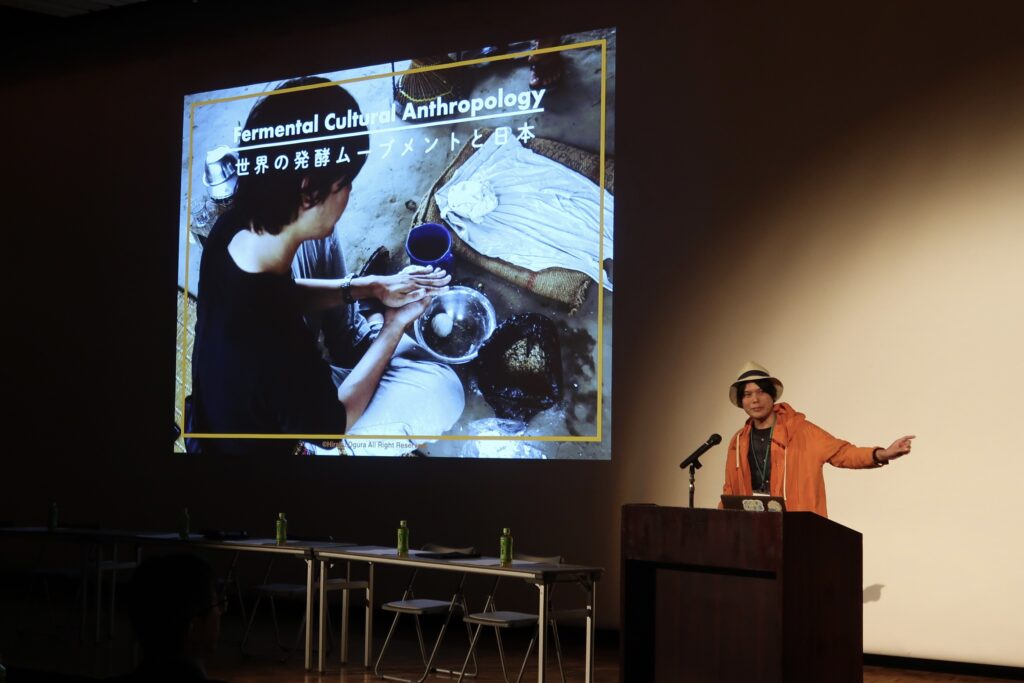
In Part 3, Mr. Hiraku Ogura of Fermentation Design Lab Co., Ltd. gave a presentation titled “The Global Fermentation Movement and Japan’s Potential.” He spoke from various perspectives—including fermentation as a culture that transcends national borders and as a fundamental aspect of Japan’s traditional landscape—and noted that “fermentation” is gaining attention as a future global food trend. His remarks, “What kind of innovation can Japan’s fermentation culture bring about?” and “We can leap into the future only as far as we have traveled back into the past,” left a strong impression.

This was followed by a panel discussion featuring the following panelists: Professor Wataru Ogasawara, Project Leader of this hub; Mr. Tatsuro Tsushima, Representative Director and Managing Director of INDEE Japan Co., Ltd.; Mr. Hiraku Ogura, Representative Director of Fermentation Design Lab Co., Ltd.; Mr. Naoki Ezoe, Representative Director of Bunbo Co., Ltd.; and Mr. Yusuke Nishiyama, Director of the Commerce and Industry Department of Nagaoka City. Professor Toru Nakamura, Specially Appointed Professor and Deputy Project Leader of this hub, served as the moderator. Starting with the question, “How can we transform technology into social value and bring it to the world?”, the panelists engaged in an interesting exchange of views from their respective perspectives on where to place the value of this hub, how to communicate that value, and the value of “Nagaoka” as a region with potential for the bioeconomy. To achieve the COI-NEXT Center’s vision within the remaining seven and a half years, “transforming technological value into economic value” is essential. The discussion, which delved one step further into future exit strategies and societal implementation, proved to be a highly meaningful session.
At the close of the meeting, Mr. Shinji Takami (Deputy Mayor of Nagaoka) took the stage and delivered closing remarks summarizing the event.
We will continue to advance toward the realization of a fully circular bio-community hub based on regional resources, together with all stakeholders.