


In preparation for BioJapan 2026, three institutions—the University of the Ryukyus, Akita Prefectural University, and Nagaoka University of Technology—are hosting a joint workshop!
From January 28 to 30, representatives from the three COI-NEXT sites gathered in Okinawa to hold a workshop.
For the past two years, we have been exhibiting jointly at BioJapan with our Nagaoka and Akita locations, and this year, the University of the Ryukyus location will be joining us, so we will be operating a joint booth with all three locations!!
*Note:Scenes from BioJapan 2024、Scenes from BioJapan 2025
All campuses—including the University of the Ryukyus, Akita Prefectural University, and our university—are focusing on primary industries and aiming to create new value from a research and technology perspective.
Akita Base ⇒ "Wood" (Forest) *Akita Branch Website
Nagaoka Branch ⇒ "Rice" (Rice Field) * The Nagaoka Branch is this website!
University of the Ryukyus Research Center ⇒ “Land-based aquaculture” (ocean) *University of the Ryukyus Hub Website
At this workshop, representatives from our three locations gathered to share and discuss the characteristics, strengths, and challenges of each location’s research in order to determine the significance and purpose of our joint booth at BioJapan 2026.
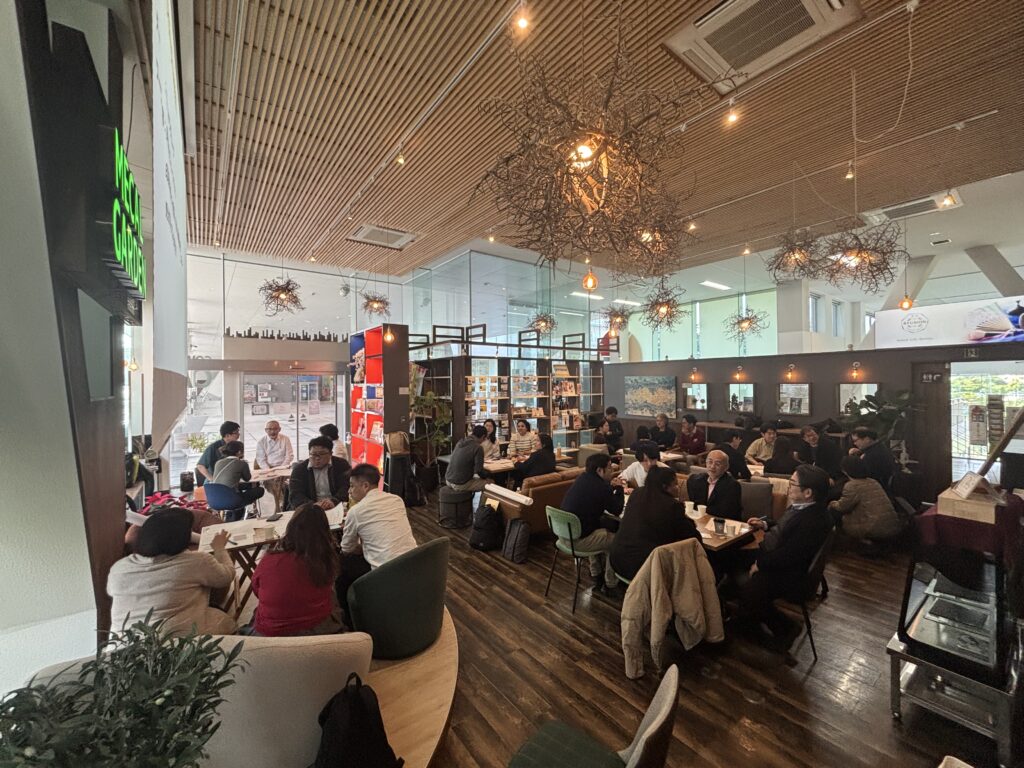
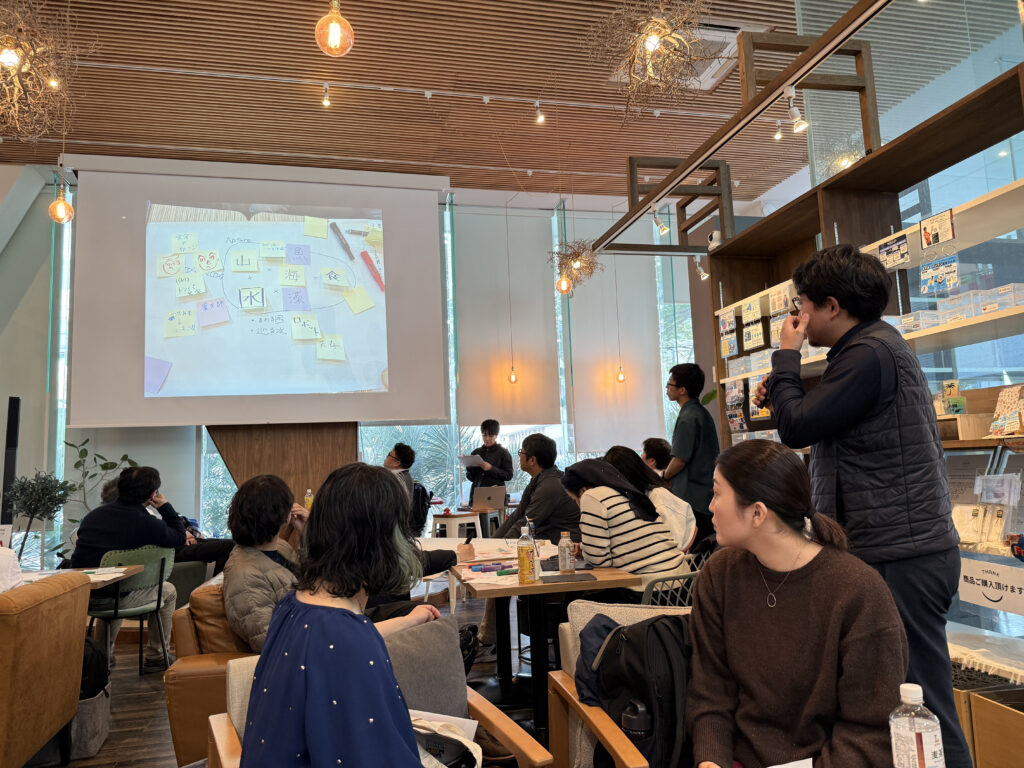
During the workshop, in addition to discussions on the research conducted at each center, it was suggested that the very origins and growth of primary industries have interacted with and influenced Japanese culture, technology, and quality (Japan Quality)—and, by extension, the formation of what it means to be Japanese—and that this dynamic has driven their development and maturation to date.
In Japan, since ancient times, nature has been nurtured by the ”microorganisms” and ”nutrients” carried through rivers (water) from the forest to the rice fields to the sea. Through the wisdom and efforts of the people living in these environments, a unique food culture and traditional techniques were born and have been passed down continuously over the years. It is perhaps no exaggeration to say that the things we use and the food we eat every day are the ”fruits” of our ancestors’ deep reverence for nature and their tireless efforts.
After this workshop, our desire to help all visitors to BioJapan 2026 rediscover the ”wonder” and ”appeal” of Japan’s primary industries—and to spark their interest in our research—has grown even stronger. Furthermore, if I may be so bold, I’ve come to want to create a booth where visitors go beyond mere ”interest” and ”understanding”—where they take that extra step to grapple with the realities and challenges facing the primary sector alongside us, and feel inspired to become our ”partners” and ”comrades” in our challenging endeavors!!
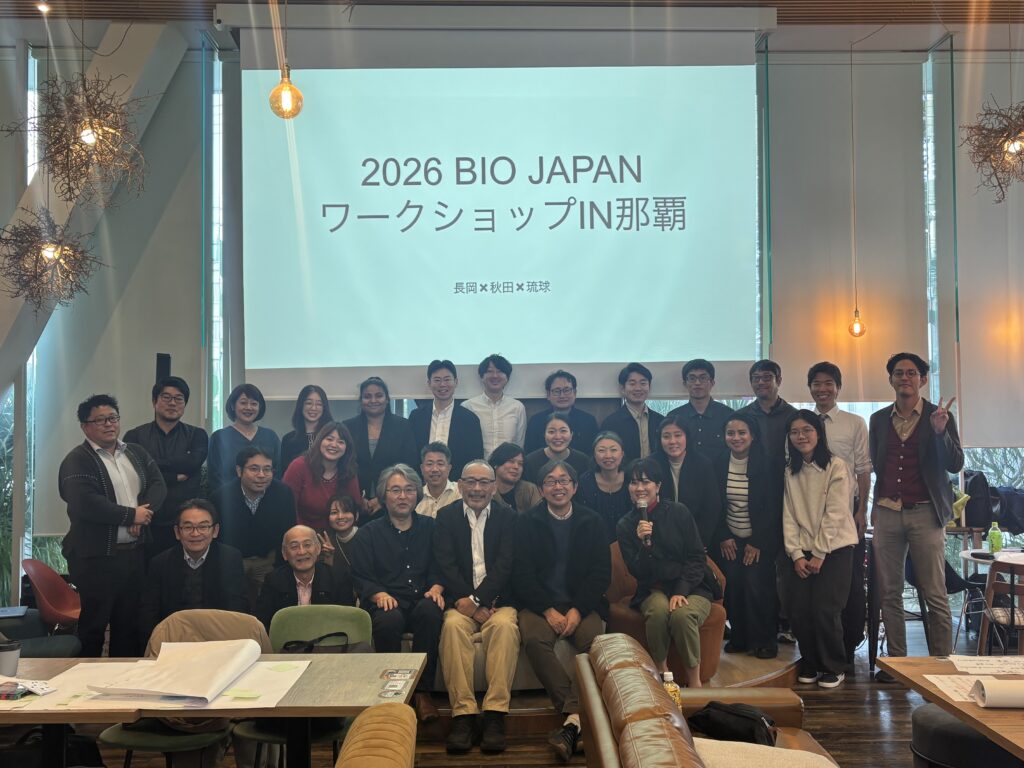
Next fiscal year, we will gather at our Nagaoka and Akita offices to further advance these discussions.
I'm already looking forward to seeing what the BioJapan 2026 booth will be like.
*In addition to the workshops, we also participated in fieldwork to experience Okinawa’s fermentation and traditional techniques, making it a very rewarding experience.
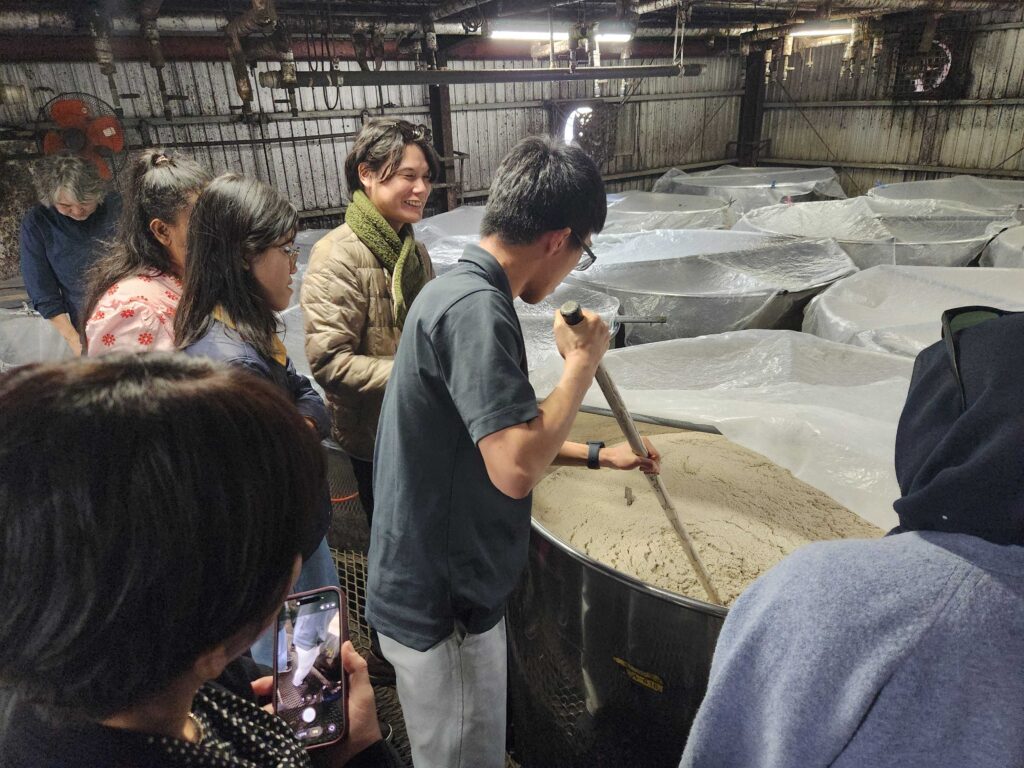
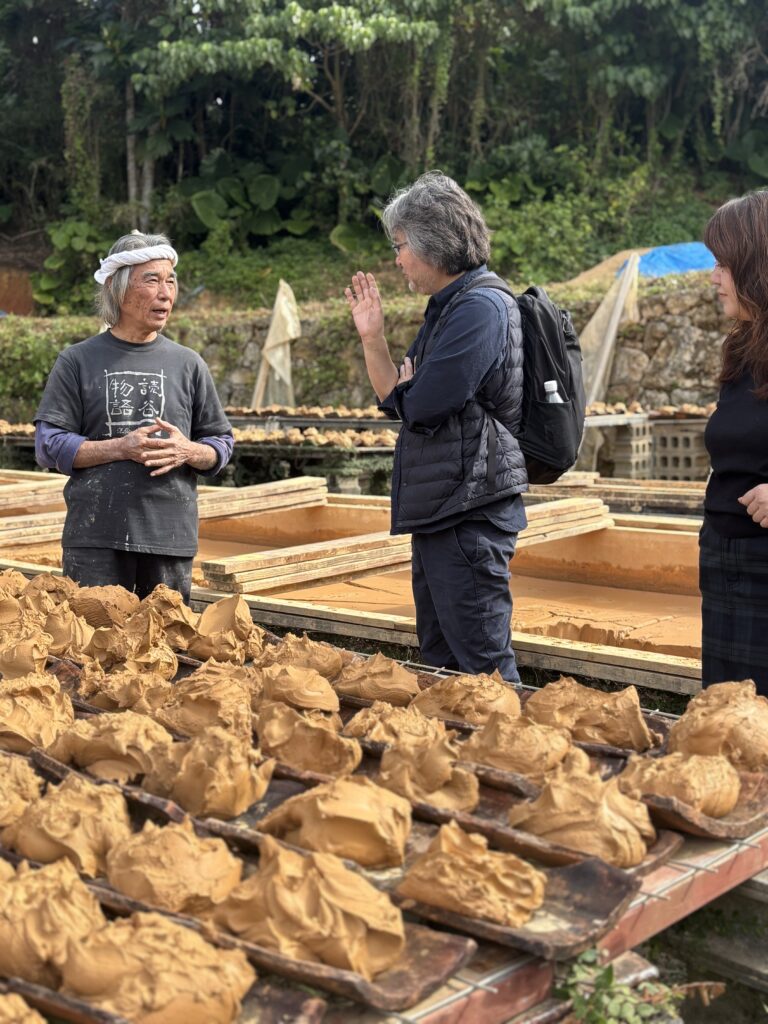
【Sakiyama Brewery[Scenes from the Tour] [North Kiln[Scenes from the Tour]