


Students in grades 3 through 6 at Fukazawa Elementary School toured university facilities and experienced farming in the fields!
On Tuesday, July 14, we welcomed students in grades 3 through 6 from Fukasawa Elementary School for a tour of the Regional GX Innovation Co-creation Center and hands-on agricultural activities at the University Front Farm.
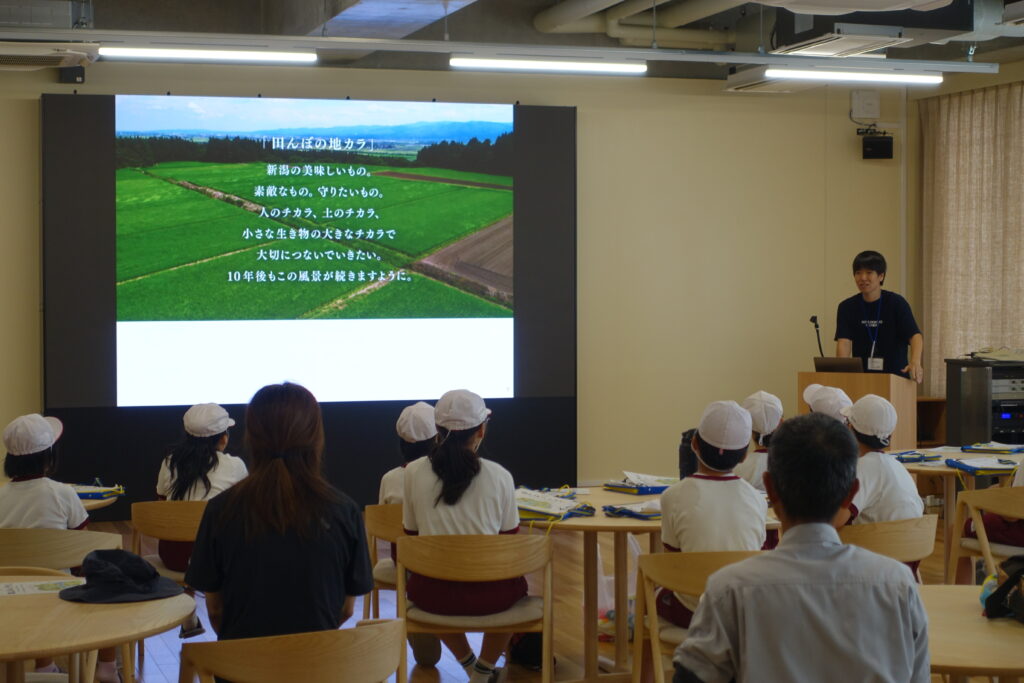
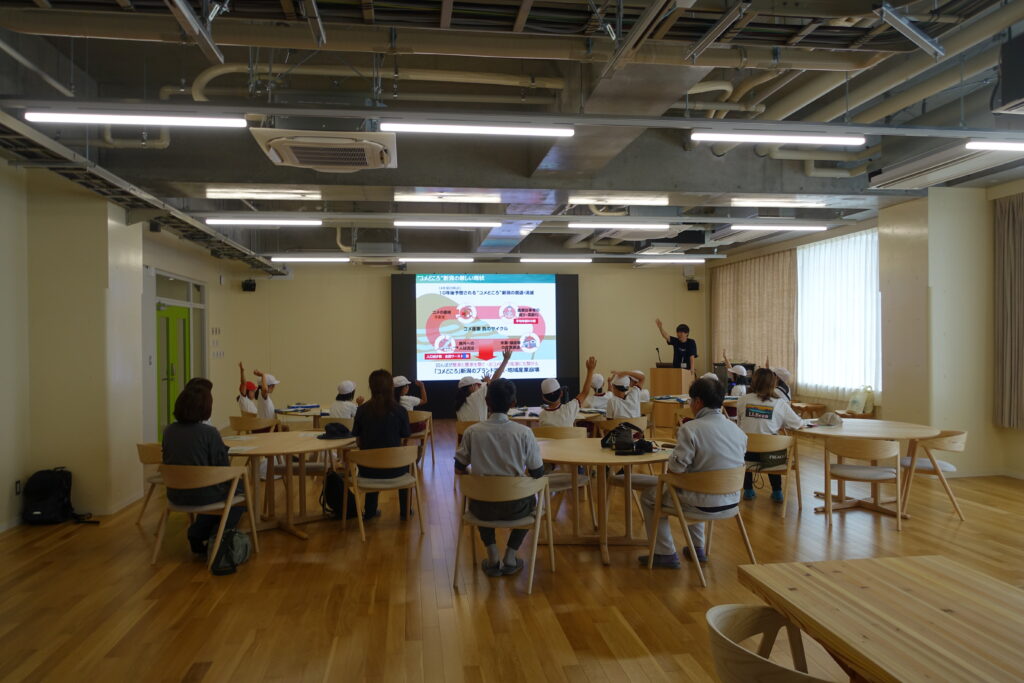
■ Introduction to Research at the COI-NEXT Main Site
To begin with, we introduced “rice,” which is the research focus of this center.
Currently, rice farmers are facing various challenges, including an aging population, a shortage of successors, and unstable rice prices. At this research center, we are conducting research aimed at using science and technology to create “exciting” and “attractive” agriculture, as well as to foster new industries centered on rice.
We introduced the following as our main initiatives.
・Autonomous Robot
Development of a robot that automatically removes and suppresses weeds—the biggest nuisance for farmers.
・Snow Cellar Storage Technology
An initiative to scientifically analyze “snow cellar storage”—a traditional method used in snowy regions to preserve the freshness of rice after harvest by utilizing “snow,” that winter nuisance that brings the heavy labor of “snow removal”—and to “visualize” its value.
・Research on Land-Based Aquaculture
Research aimed at developing new land-based aquaculture technologies using previously untapped resources derived from rice.
The children listened intently to the research presentation, which was packed with cutting-edge science and technology and a deep passion for rice.
■ Tour of the Center's Facilities
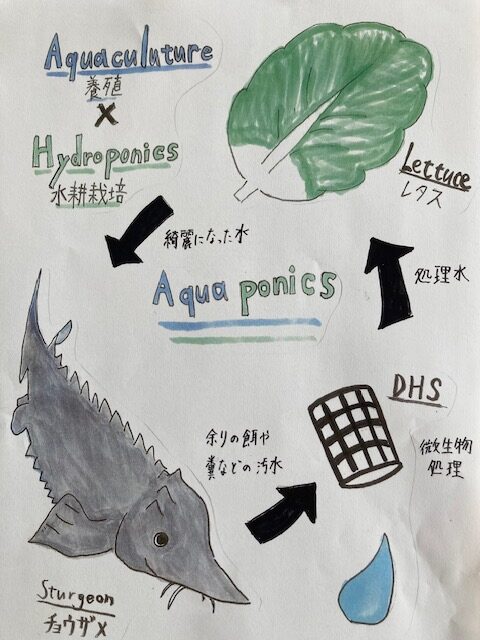
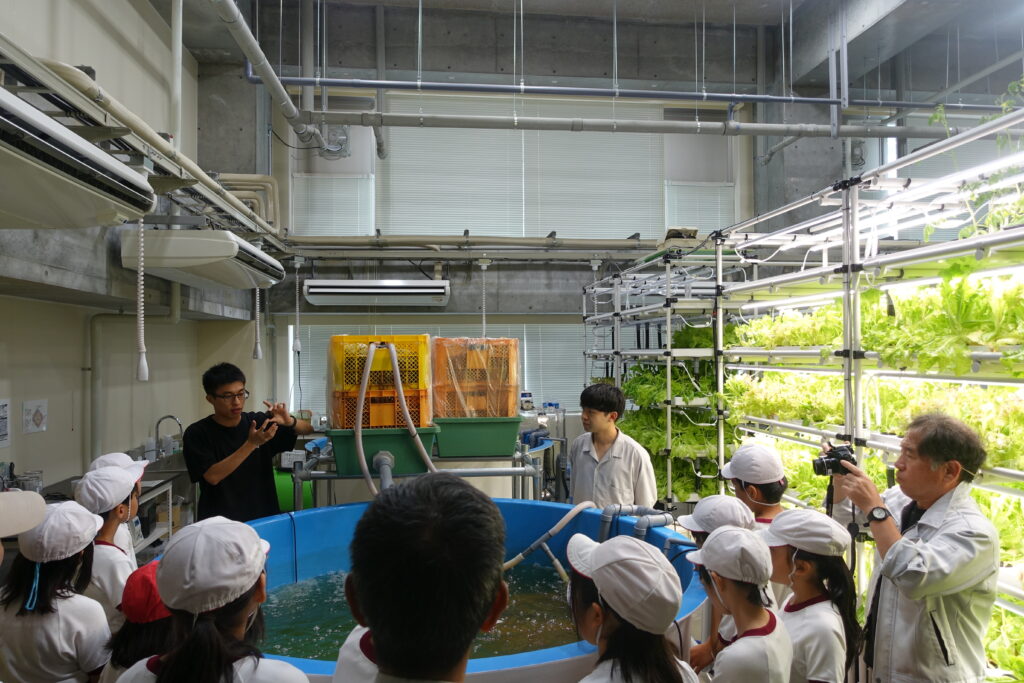
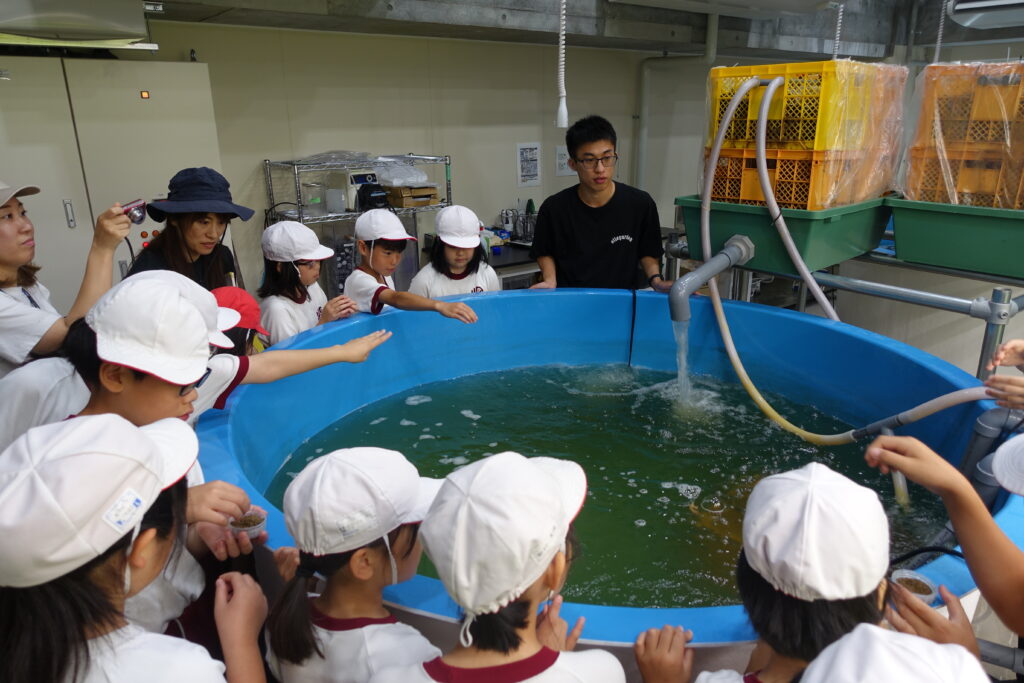
Next, we toured the facilities at the center. The ”Aquaponics Research Laboratory” was particularly popular with the children. Aquaponics is an eco-friendly system in which microorganisms break down fish waste to create nutrients for plants, and the water purified by the plants is then used to raise the fish again. Utilizing this system, we are conducting research on a new form of ”land-based aquaculture” that does not pollute the environment. At the facility, after receiving an explanation of the aquaponics system from the students, the children had the opportunity to feed the “sturgeon” being raised in the tanks. The children watched the sturgeon in the tanks with rapt attention and, in this fascinating space where fish and vegetables are grown simultaneously, enjoyed learning about the cycle of “resources” and “life” as well as food production.
■ Potato Harvesting Experience
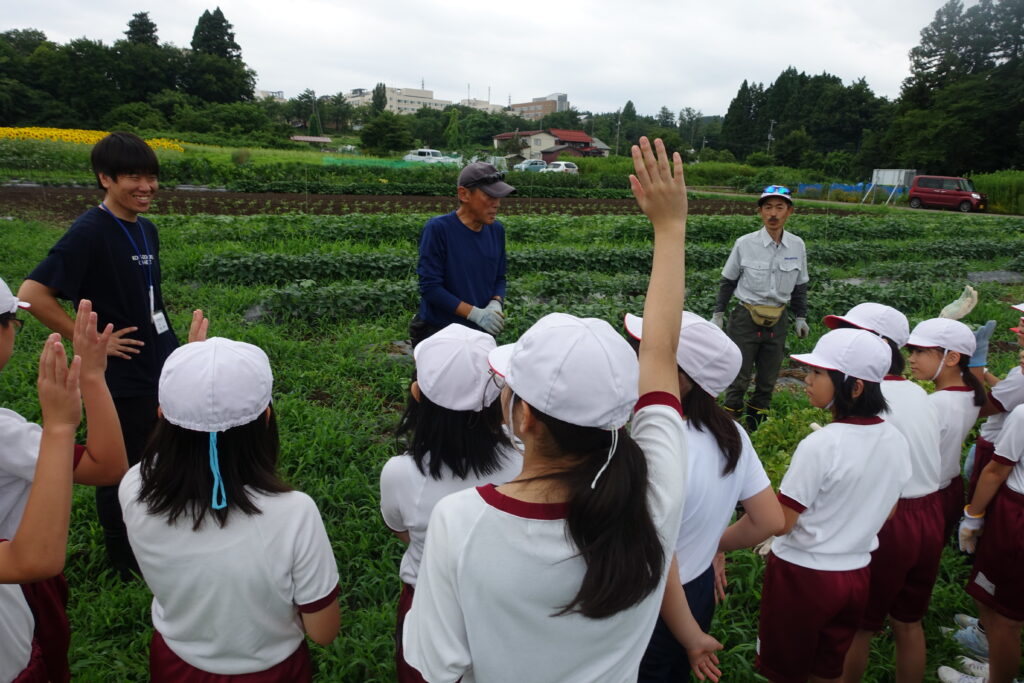
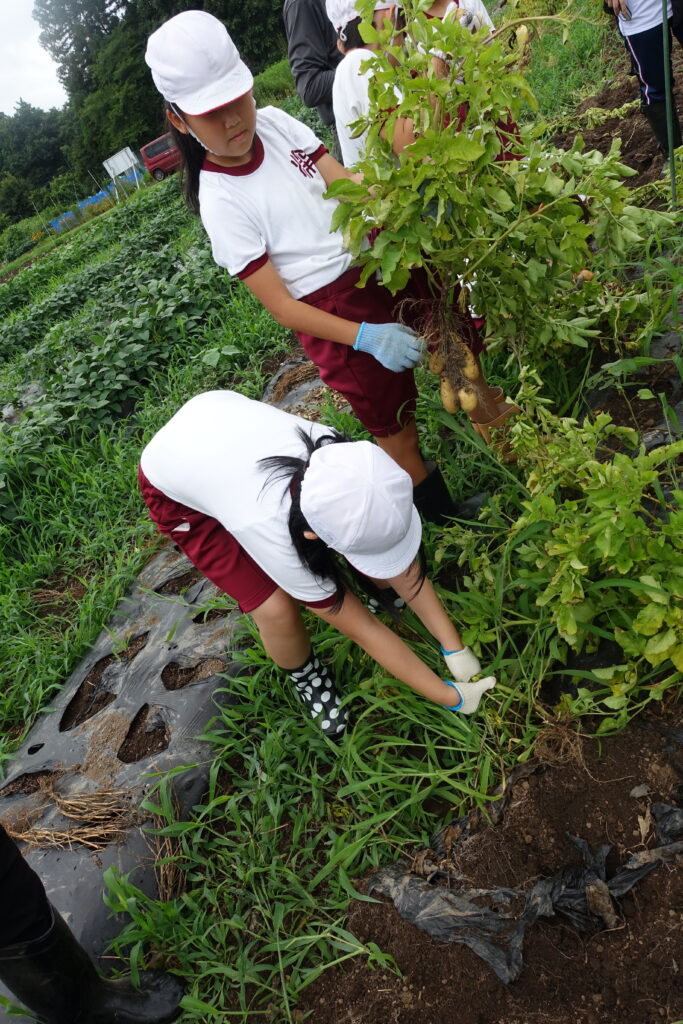
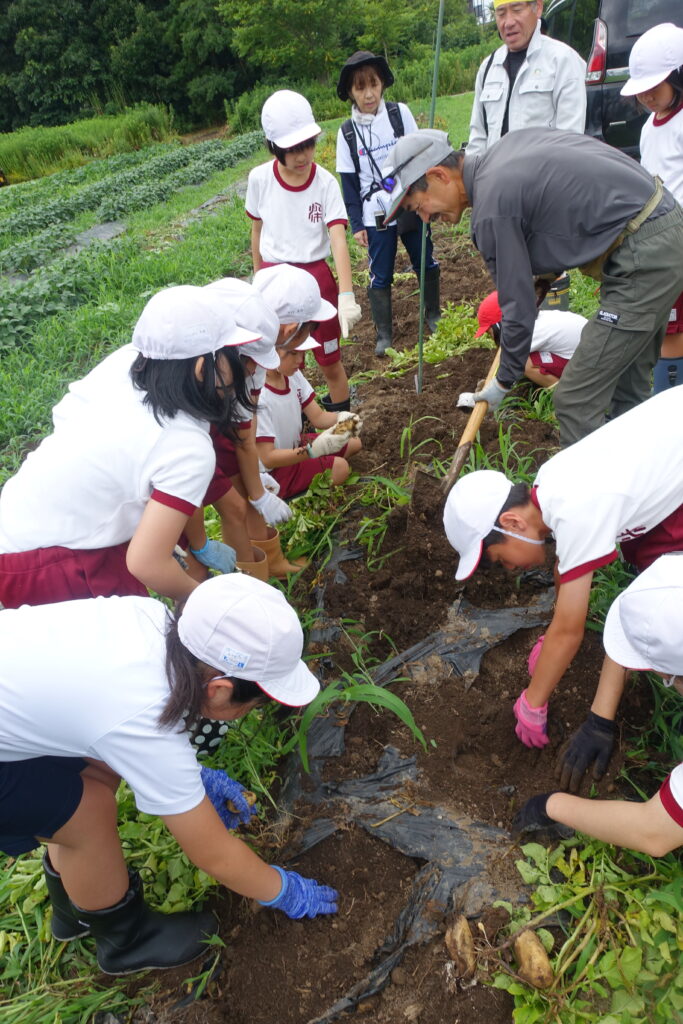
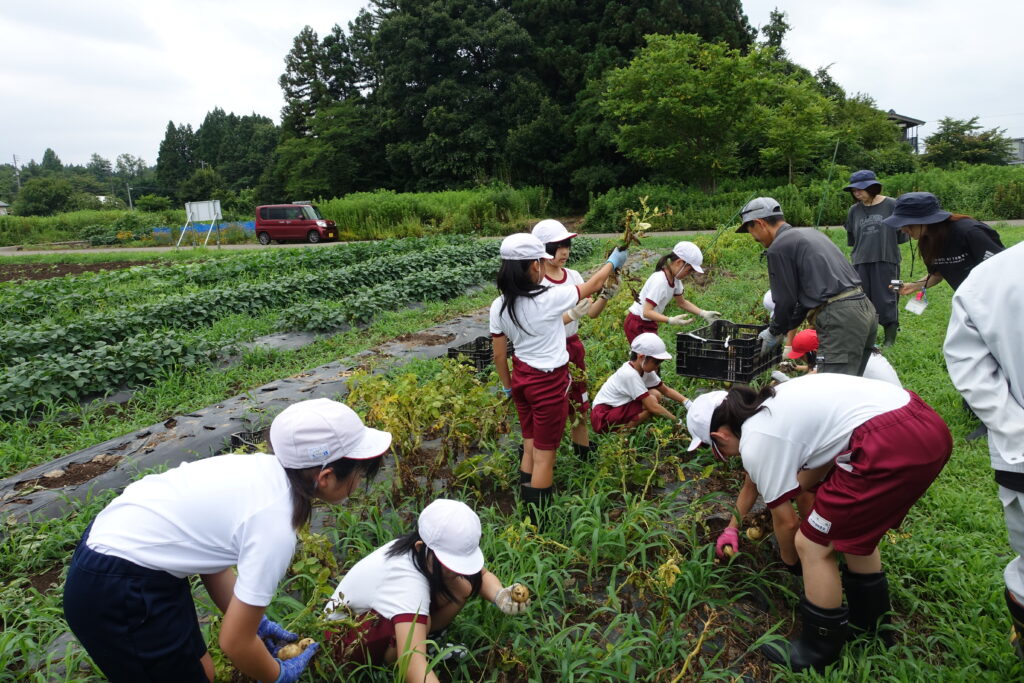
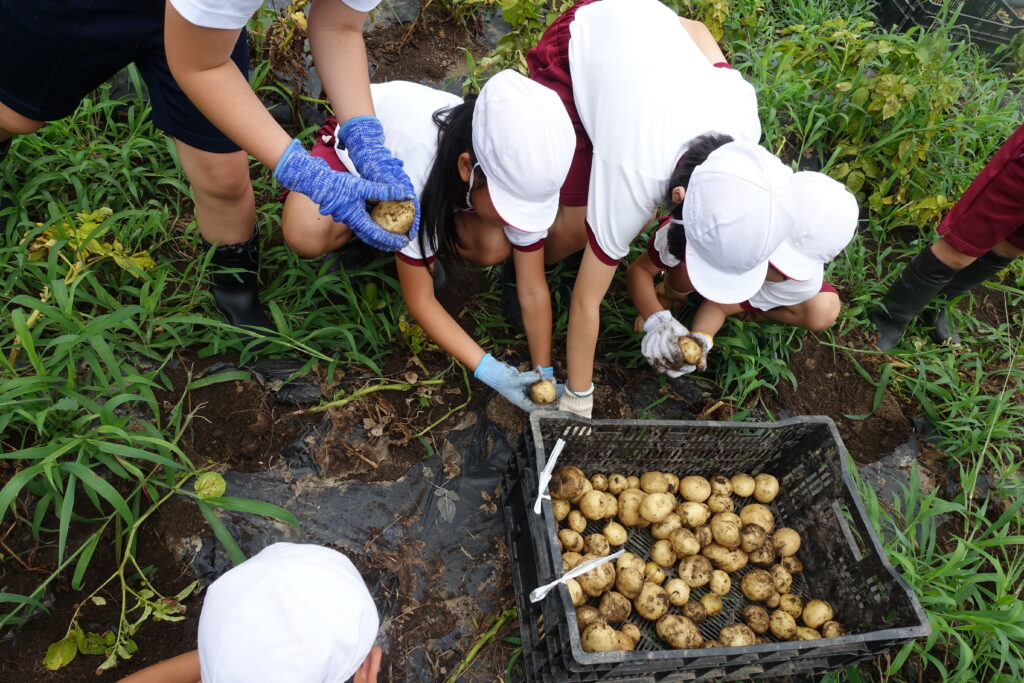
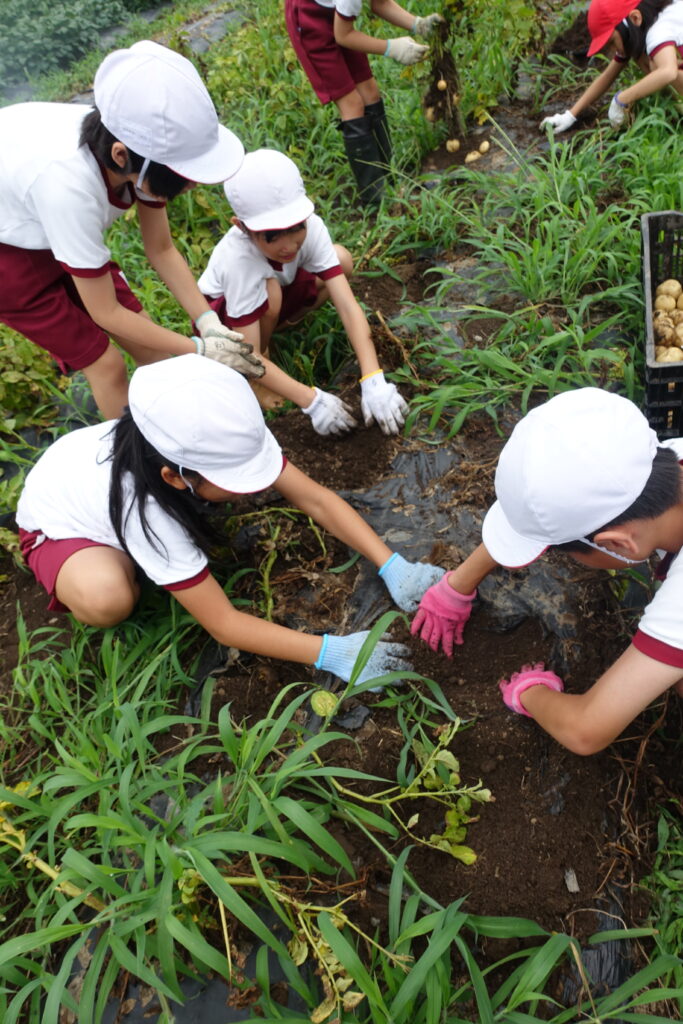
At the University Front Farm, we held a potato harvesting activity. This time, we harvested three varieties: “Makein,” “Danshaku,” and “Kitaakari.” The children took on the challenge of pulling up the thick potato stalks with all their might. Everyone was thrilled to discover plump, round potatoes clustered at the base of the stalks they’d pulled from the ground. Afterward, they worked hard to dig through the soil by hand, making sure not to miss any potatoes left behind. The children looked like they were having a great time as they enthusiastically dug through the dirt, working up a sweat. It was a wonderful experience that allowed them to appreciate both the hard work of farming and the joy of the harvest.
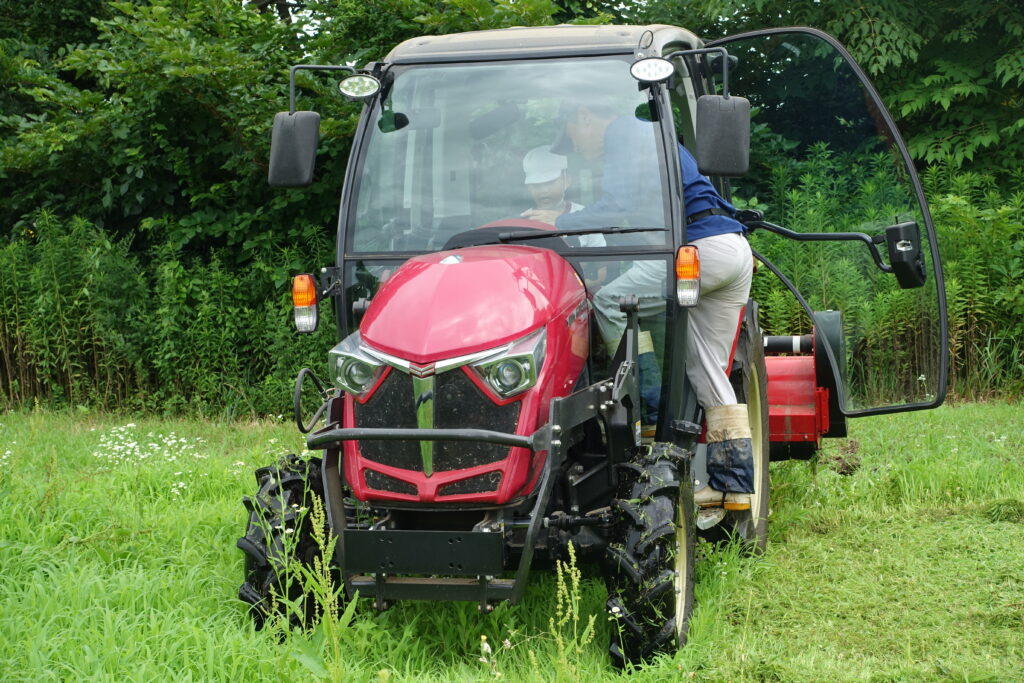
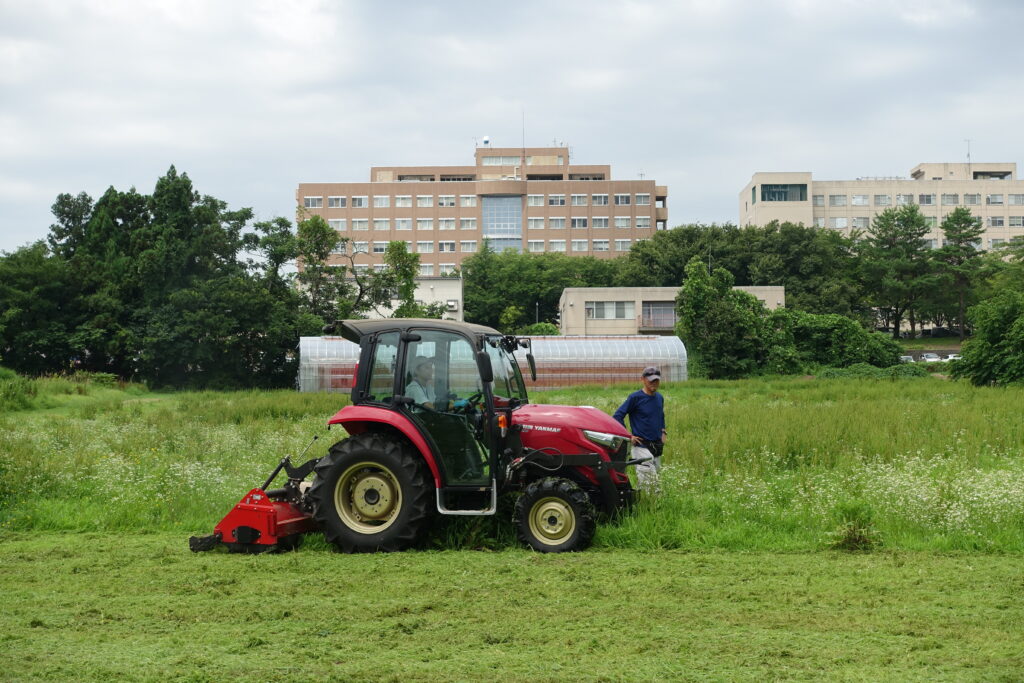
■ Tractor Driving Experience
I even got to try driving a real tractor!
Each person receives a detailed explanation of how to operate the tractor and then gets behind the wheel to drive it.
Standing in front of the large farm machinery, the children looked a little nervous at first, but as the machine began to move, smiles gradually spread across their faces, and by the end, everyone had a look of pride on their faces.
It was a special experience that I wouldn't normally get to have in my everyday life.
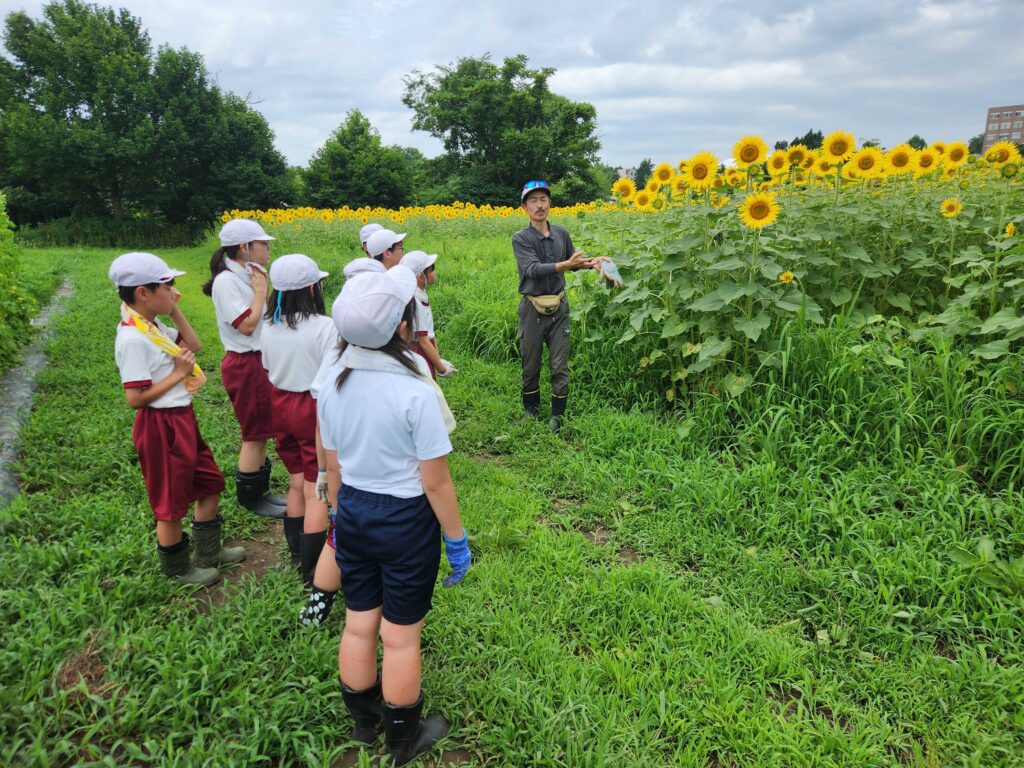
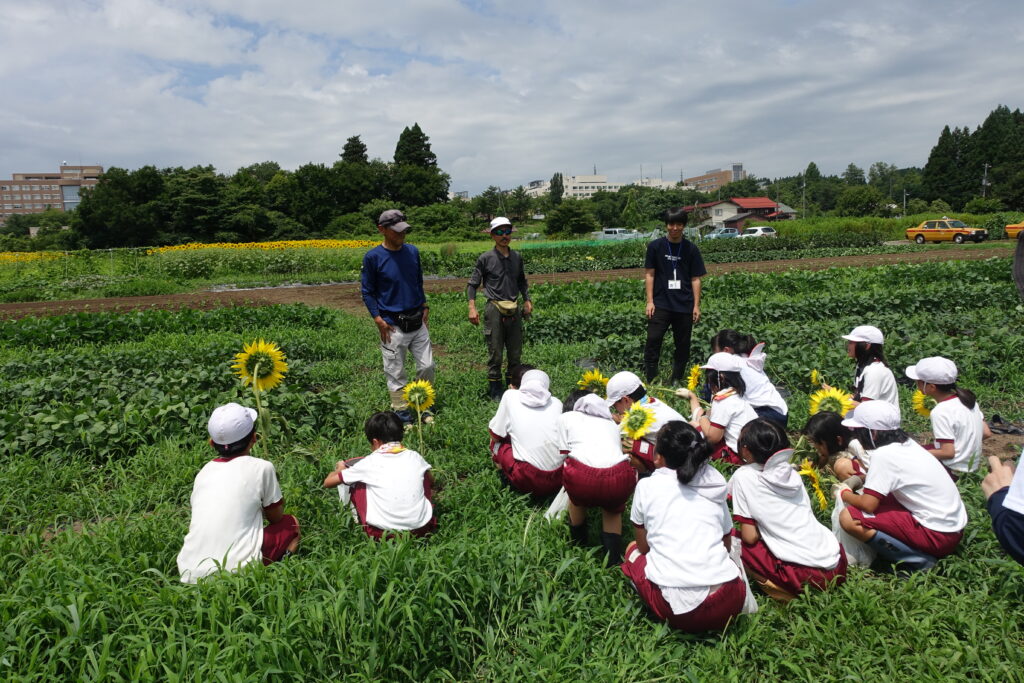
■ Observing Sunflowers
I observed the vibrant sunflowers that had begun to bloom across the field.
We explained that sunflowers are not only beautiful but also serve as “green manure,” which is mixed into the soil to provide nutrients (fertilizer) for the next crop, and we learned how science can be used to revitalize the soil.
I would be delighted if this experience served as an opportunity to deepen your interest in Nagaoka University of Technology—our local university—the research and projects being conducted there, and, by extension, the region’s agriculture and food culture.
We plan to harvest the peanuts next fall.
I’m looking forward to hearing the children’s cheerful voices in the fields.