Exploring Japan’s Fermentation Culture Through Science and Sharing It with the World — International Fermentation Event Held at ETH Zurich in Switzerland
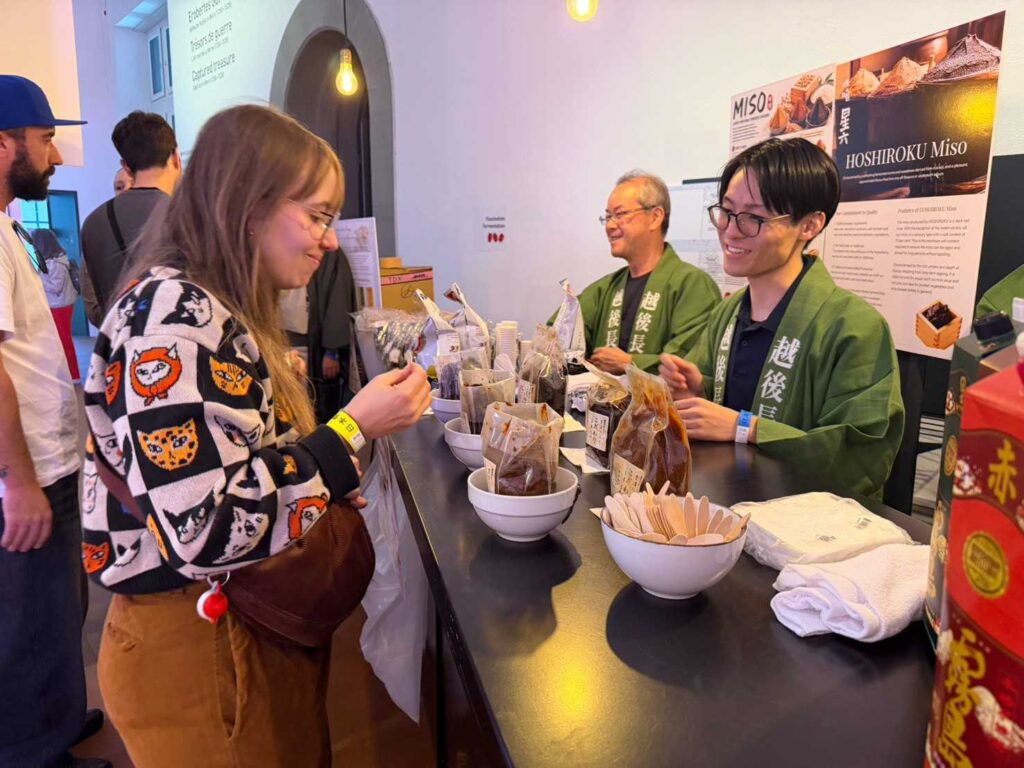
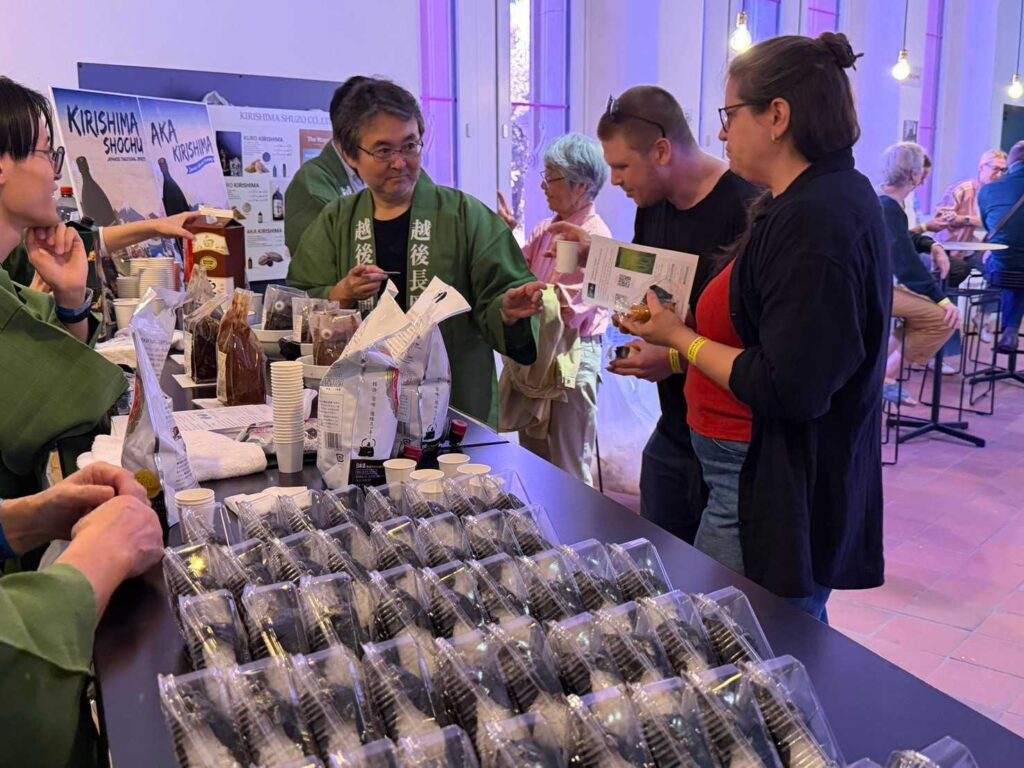
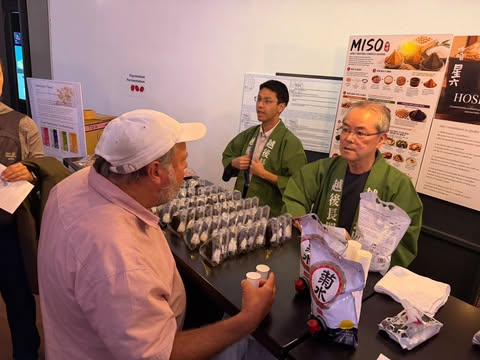
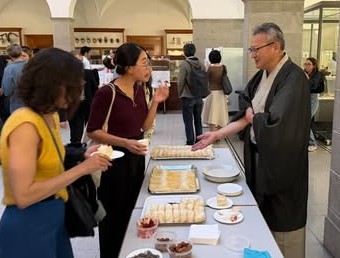
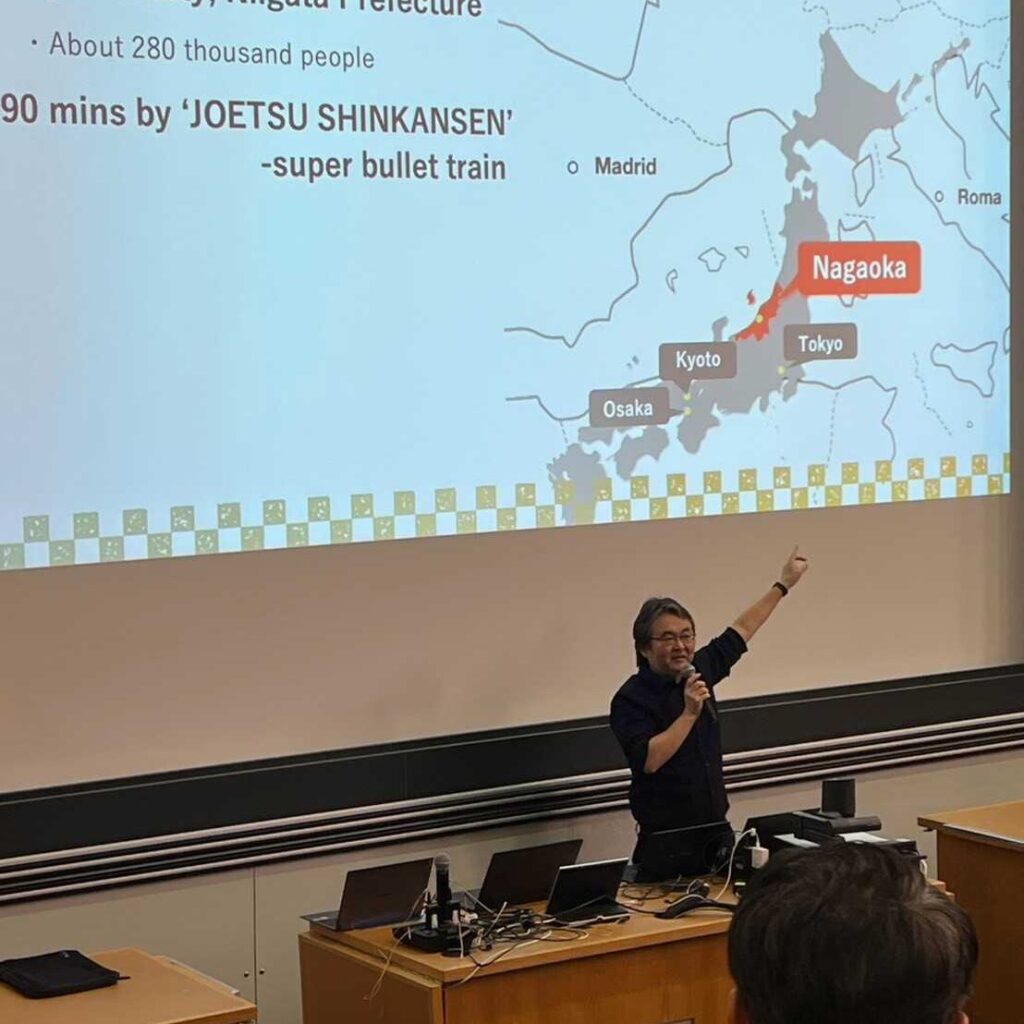
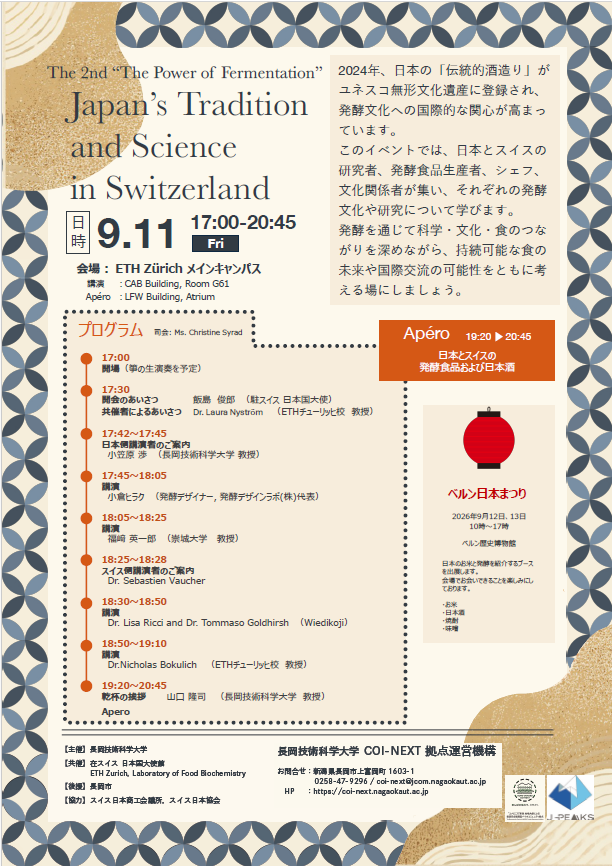
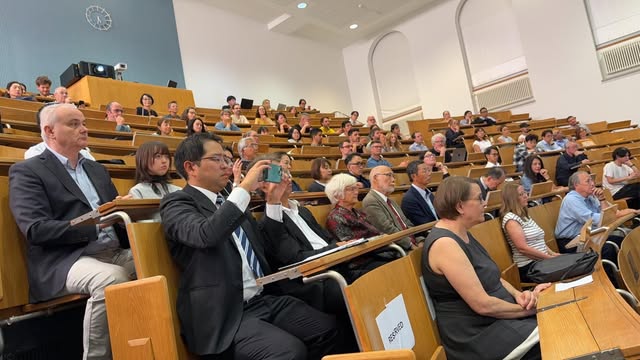
On September 11, Nagaoka University of Technology held “The Power of Fermentation: Japan’s Tradition and Science in Switzerland” at ETH Zürich in Zurich, Switzerland—the second such event following last year’s.
The event served as a forum for international exchange spanning science, culture, and food, introducing a diverse array of fermented foods—including locally produced miso and sake—to local researchers, fermented food producers, and professionals in the field of food culture.
This event was held as part of an international initiative to convey to the world “the significance of studying Japanese fermentation from a scientific perspective.”
The story was widely covered by various media outlets, including domestic newspapers, the official social media accounts of the Japanese Embassy in Switzerland, and websites related to ETH Zurich.
Niigata Nippo:https://www.niigata-nippo.co.jp/articles/-/905526
Sankei Shimbun:https://www.sankei.com/article/20260912-KCVDXYFZ6BJM3MNRP73L7I42SU/
Kyodo News:https://news.yahoo.co.jp/articles/e4911afc533fe453c33cd82b83f4e59106dc341f
etc.
● Japanese fermentation is the culmination of “microorganisms × local environment × technology × culture”
Japanese fermented foods—such as miso, soy sauce, sake, and pickles—have been cultivated not only by microorganisms like koji mold, yeast, and lactic acid bacteria, but also by regional water, climate, agricultural products, and the techniques passed down through generations at each brewery. Professor Wataru Ogasawara, project leader for this hub and director of the University’s Regional GX Innovation Co-creation Center, stated, “Fermentation culture is the sum of regional wisdom and techniques, and it is necessary to use science to make its value visible.”
● Why Are We Studying Fermentation Scientifically and Sharing Our Findings with the World Right Now?
While interest in Japanese fermentation is growing overseas, products labeled as “Japan,” “koji,” or “miso” that do not adhere to traditional Japanese production methods or quality control standards are also on the market. This situation could undermine trust in Japan’s fermentation culture as a whole.
That is precisely why our university,
— Visualizing Quality Based on Scientific Data
— Systematizing Fermentation Culture as a Japanese Brand
— We are committed to promoting the right values internationally.
● Our University’s Efforts to Raise Its International Profile and Their Application to “International Fermentation Week”
The international connections forged at this event will be put to use at the “BioJapan 2026" and will also significantly expand the reach of fermentation culture as part of the 'International Fermentation Week' that our university is hosting this fall.
International Fermentation Week (November 9–15, 2026) is an international event held at various locations throughout Nagaoka City, offering a week-long opportunity to comprehensively experience fermentation from scientific, cultural, industrial, and regional perspectives.
The latest information is updated regularly on our official website.
▶ International Fermentation Week Official Website https://hakko-week.com/
Nagaoka University of Technology will continue its efforts to connect local wisdom with science, while promoting Japan’s fermentation culture to future generations and to the world.