


We held the COI-NEXT Symposium 2026.
Working Together to Shape the Future of Primary Industries
In 2026, Nagaoka University of Technology held a symposium under the theme “The Future Shape of Primary Industries,” bringing together the three COI-NEXT centers (Nagaoka, Akita, and Okinawa). This symposium provided a valuable opportunity to share research findings and engage in discussions about the future by bridging the three fields—rice paddies, forests, and the sea—that symbolize Japan’s primary industries. With many participants joining both in person and online, the event served as a forum for considering the future of primary industries from multiple perspectives.
■ Opening Remarks
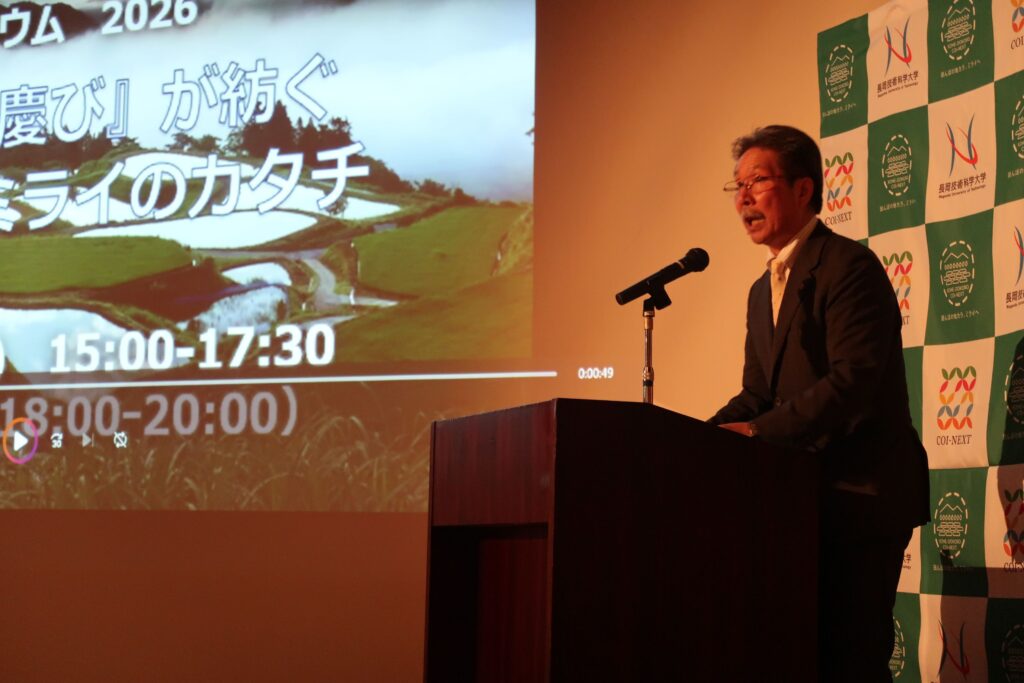
At the opening of the event, President Kamado noted that the COI-NEXT initiative has entered its fifth year and highlighted the significance of the three centers collaborating to envision the future of primary industries. The President emphasized that “primary industries are the foundation that has supported Japan’s traditions, culture, and the activities of local communities, and their sustainability is directly linked to the future,” and called on participants to view the future of primary industries as a matter of personal concern. He also mentioned that the three centers will jointly exhibit at BioJapan, to be held in Yokohama this October, highlighting the importance of communicating the value of primary industries both domestically and internationally. The President noted that external outreach is only part of the effort, positioning this symposium as “the most important forum for sharing regional challenges and thinking about the future together.”
■ Introduction to Each Location
● Nagaoka Campus (Nagaoka University of Technology)
Project Leader Wataru Ogasawara presented on value creation in rice and fermentation culture centered on the concept of “Yao-moto no Yorokobi” (The Joy of Eight Million). He discussed the social context surrounding rice—including supply-and-demand fluctuations symbolized by the “Rice Riots” and instability in rice prices—along with research initiatives at the Nagaoka facility, such as scientific verification of freshness preservation through snow-cellar storage. He also highlighted efforts to promote regional resources globally, such as the international expansion of fermentation culture and dialogues with international visitors at BioJapan. In particular, the perspective of redefining “visible processes” as a source of value garnered attention as a new approach to enhancing the transparency and trustworthiness of primary industries. The presentation emphasized efforts to scientifically visualize Japan’s traditional culture—including rice, koji, and fermentation—and pass it on to the next generation.
● Akita Branch (Akita Prefectural University)
Project Leader Katsuhiko Takada presented research on “Transforming the Value of Forests,” focusing on converting forest resources into future value. In light of the pressing realities facing Akita Prefecture—including its declining population and aging society—a vision was presented to link ecosystem services centered on timber to “self-sustaining prosperity.” The goal is to create a future where residents become aware of and appreciate the regional qualities they often take for granted, take pride in them, and voluntarily choose to continue living in Akita. The report covered multifaceted initiatives—including three-dimensional wood forming technology, the advancement of wood-based materials, the cultivation of local entrepreneurs, and international collaboration—highlighting efforts to revitalize local communities by leveraging forest resources.
● Okinawa Office (University of the Ryukyus)
Project Leader Akihiro Takemura presented initiatives for sustainable land-based aquaculture that integrates agriculture and aquaculture. This circular model, which combines ICT, renewable energy, and aquaponics, is attracting attention as a new production system capable of meeting the growing global demand for seafood. Furthermore, the presentation highlighted scientific approaches, including research on controlling fish growth through light and salinity, the advancement of closed-loop aquaculture systems, and the conversion of underutilized resources into feed. The social impact of these research findings was also discussed, including initiatives for societal implementation through collaboration among industry, academia, government, and the financial sector, as well as examples of their application at the World Expo.
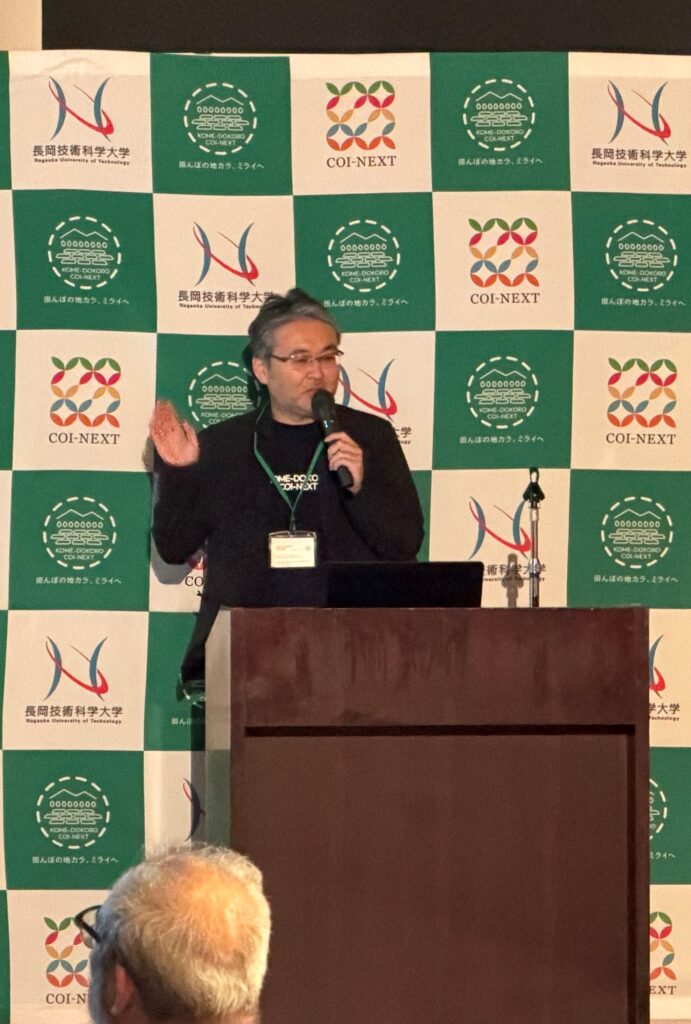
Project Leader
Wataru Ogasawara, Nagaoka University of Technology
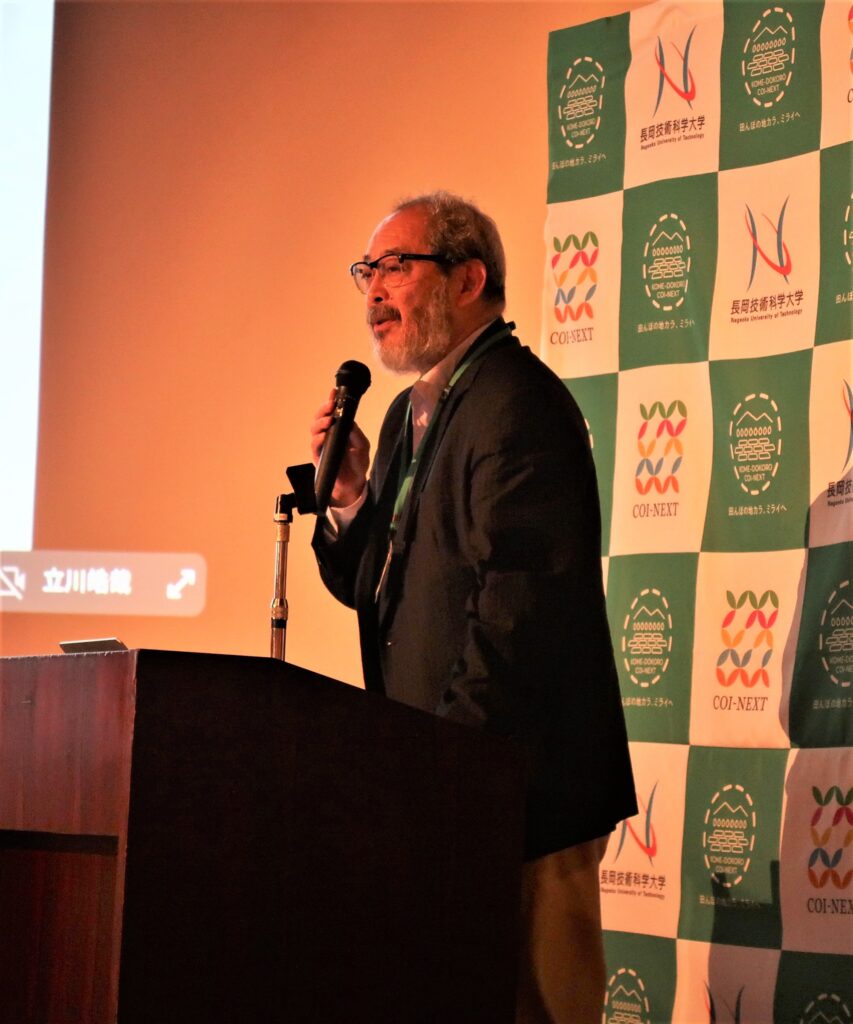
Project Leader
Akita Prefectural University, Katsuhiko Takada
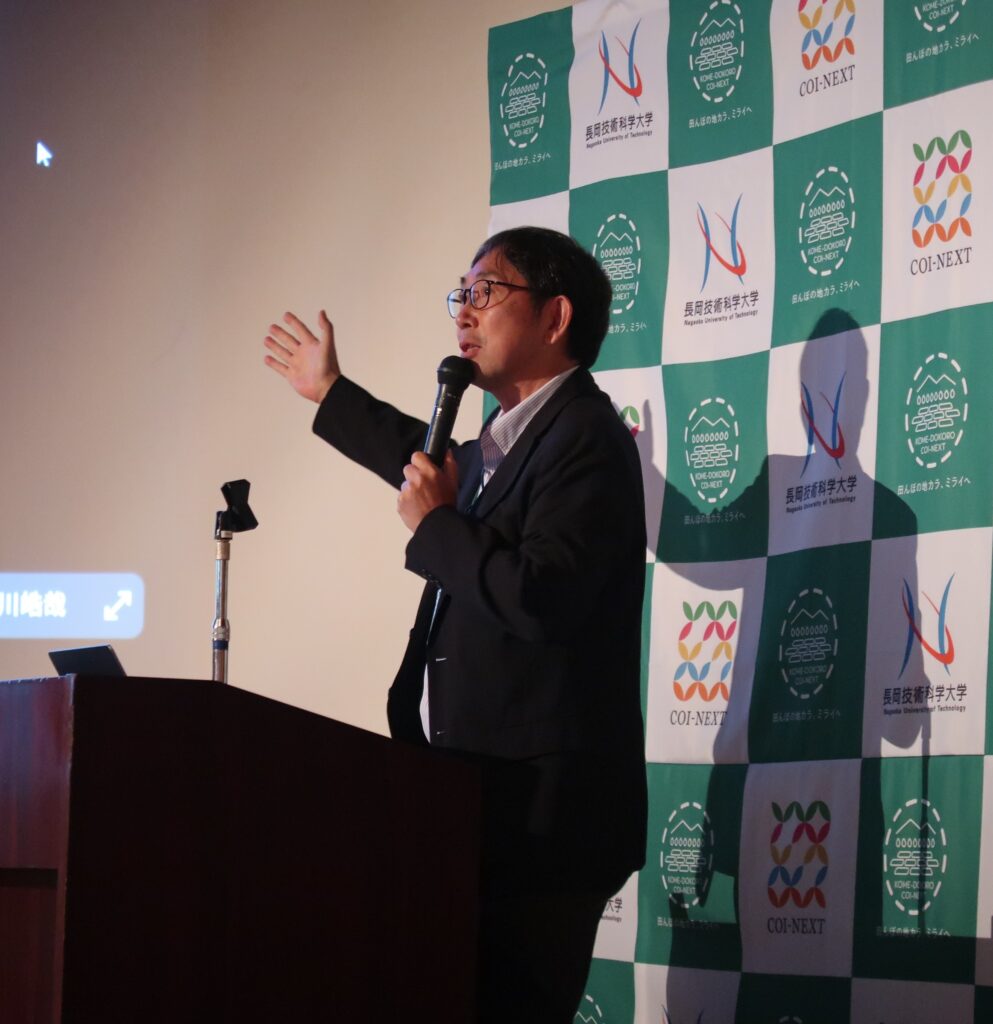
Project Leader
Akihiro Takemura, University of the Ryukyus
■ Panel Discussion
During the panel discussion, a dialogue unfolded that brought together the front lines of primary industries and research.
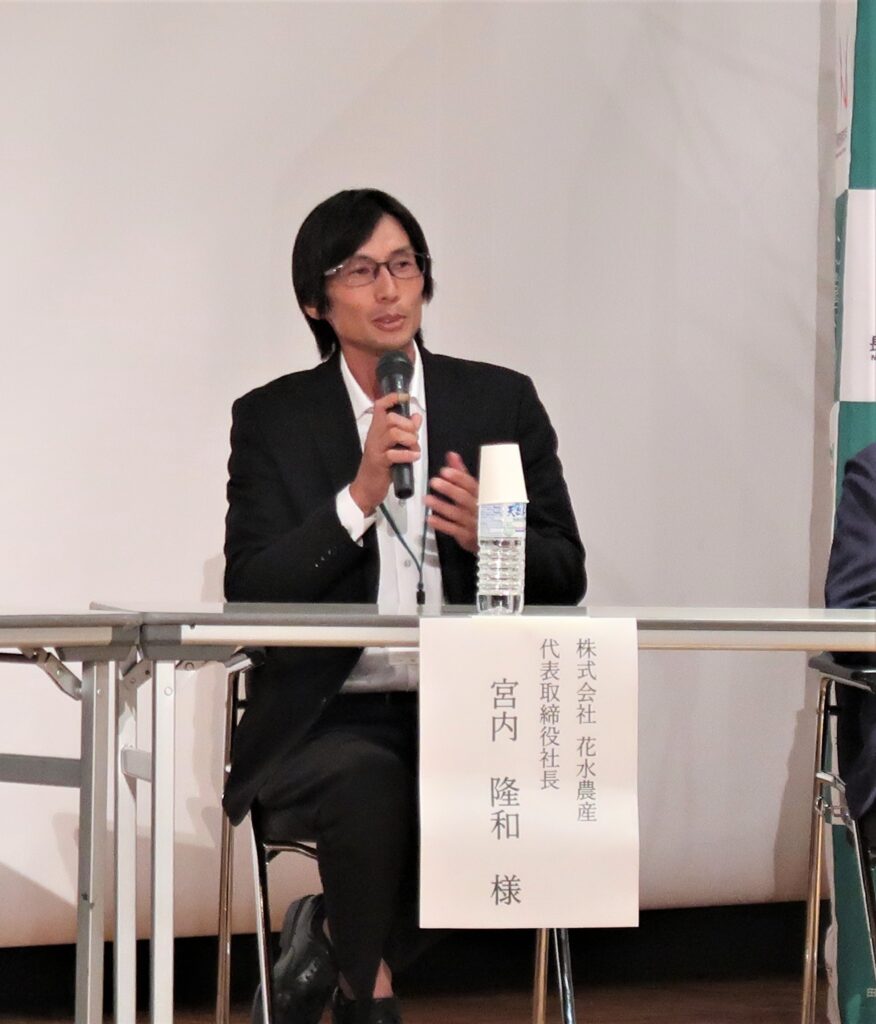
● Mr. Takakazu Miyauchi, Hanamizu Agricultural Products, Ltd. (Agriculture, Rice Fields)
Participants shared their views on the harsh realities facing the agricultural sector, including the declining birthrate and aging population, a shortage of successors, and the burdens faced by mountainous and rural areas. At the same time, the discussion also covered initiatives aimed at providing young people with a “sense of fulfillment” and “stable income,” such as efforts to transition to “controlled agriculture” using robotics, the sale of tofu made from soybeans, and strawberry cultivation in greenhouses powered by rice-husk boilers.
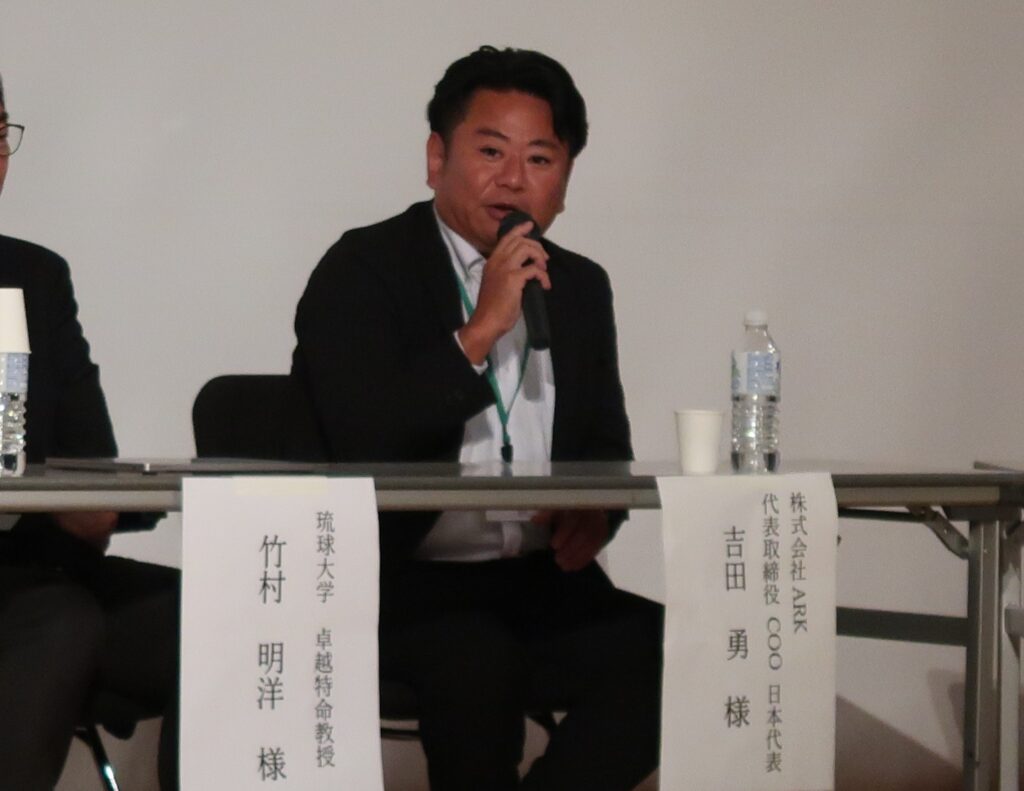
● Mr. Isamu Yoshida, ARK Co., Ltd. (Land-based Aquaculture and Marine Aquaculture)
The importance of comprehensive social implementation—from the development of production models combining fish and algae to the development of equipment and sales—was highlighted. In addition, the initiative in which top chefs vouch for the “taste” garnered attention as an approach that scientifically demonstrates the value of food.
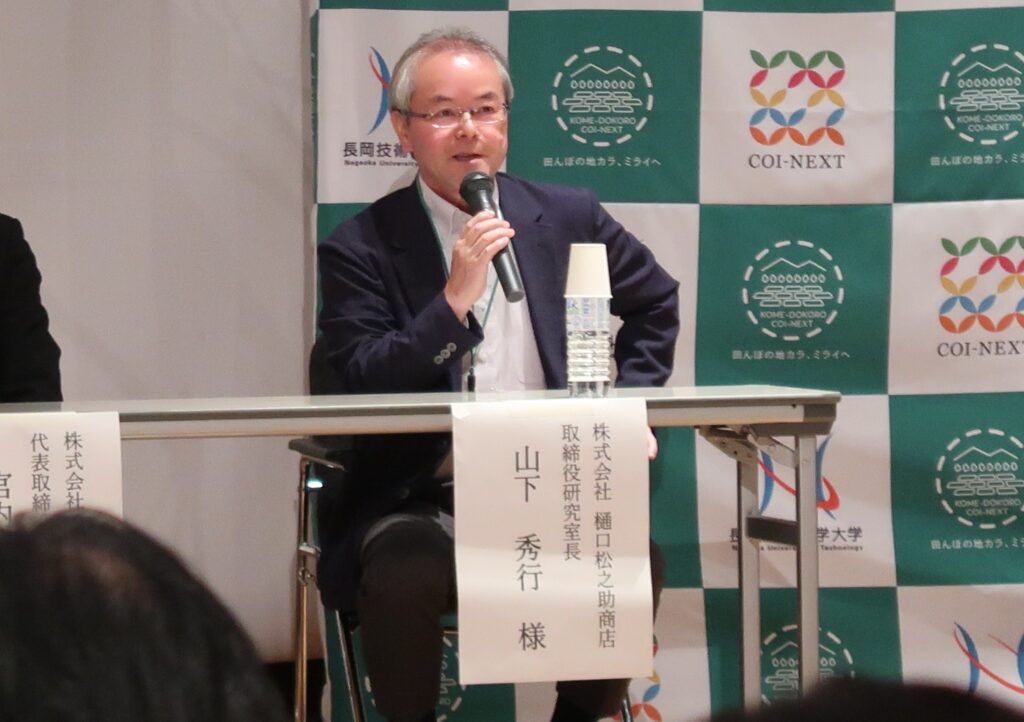
● Mr. Hideyuki Yamashita, Higuchi Matsunosuke Shoten Co., Ltd. (Fermentation and Koji)
The value of “koji”—which is not fully understood in Japan—was highlighted, and the importance of education and a reevaluation of fermentation culture were raised. While “koji” is gaining attention overseas, it was pointed out that its value has not been adequately communicated in Japan.
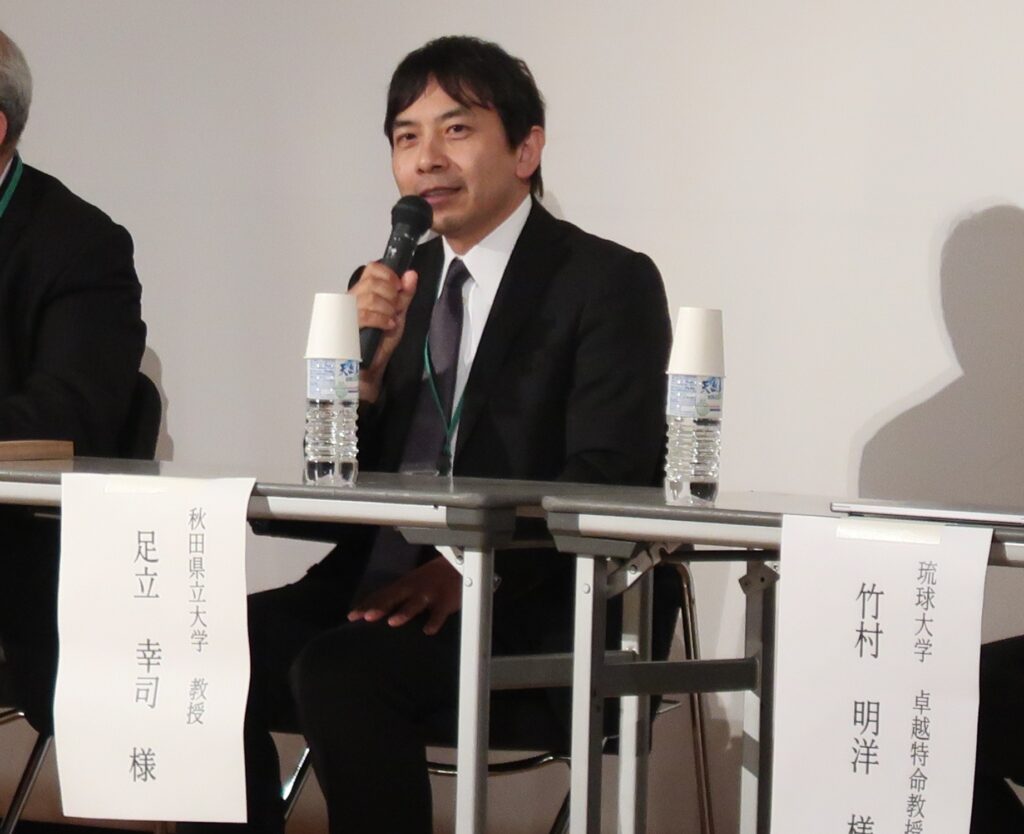
● Mr. Koji Adachi, Akita Prefectural University Institute for Advanced Wood Processing (Wood and Forests)
The presentation highlighted the view that, in addition to “clothing, food, and shelter,” “mobility” also plays a key role in determining quality of life, and discussed future lifestyles that do not rely on fossil fuels. It reaffirmed the value of utilizing wood, a readily available resource.
■ Summary
What emerged through these discussions was the existence of values that, despite being all around us, have been understood only as “somehow good.” Due to a lack of education, we have overlooked many of these values. For example, even when asked, “Why wood now of all things?” the Japanese—who have used wood since ancient times—have only an intuitive sense that it is “good,” without any evidence to support it. That is precisely why researchers and independent third parties must scientifically prove these values, “visualize” them, and communicate them. Furthermore, in addition to conveying the “value” as knowledge, we must also convey the “value” as a tangible, firsthand experience. As one way to achieve this, there was a shared recognition of the importance of “education” provided by universities and other educational institutions. The initiatives at the three hubs are precisely fulfilling these roles: scientifically analyzing local resources, visualizing their value, and passing them on to the future. It is hoped that this collaboration will serve as the foundation for shaping the “future form” of primary industries.
■ Closing Remarks
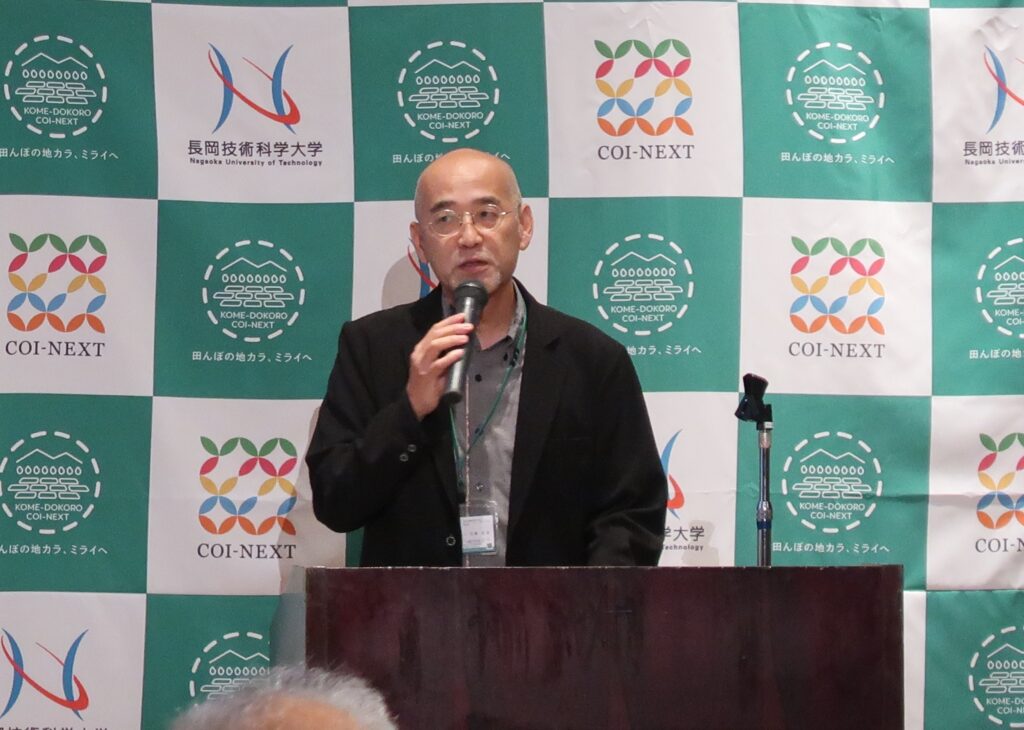
Finally, Fumihiro Haga, Deputy Project Leader at the University of the Ryukyus hub, spoke about the common themes shared by the three hubs: "Water," "Technology," "Microorganisms" It was suggested that these three keywords could be identified. They serve as the foundation for connecting the different fields of rice paddies, forests, and the ocean, and represent important perspectives for deepening future collaboration. In addition, the event to be held from October 7 to 9 BioJapan 2026 In preparation for the joint exhibition at the three locations, it was announced that the centers would continue to explore ways to conduct research and share information that demonstrate the future potential of primary industries.
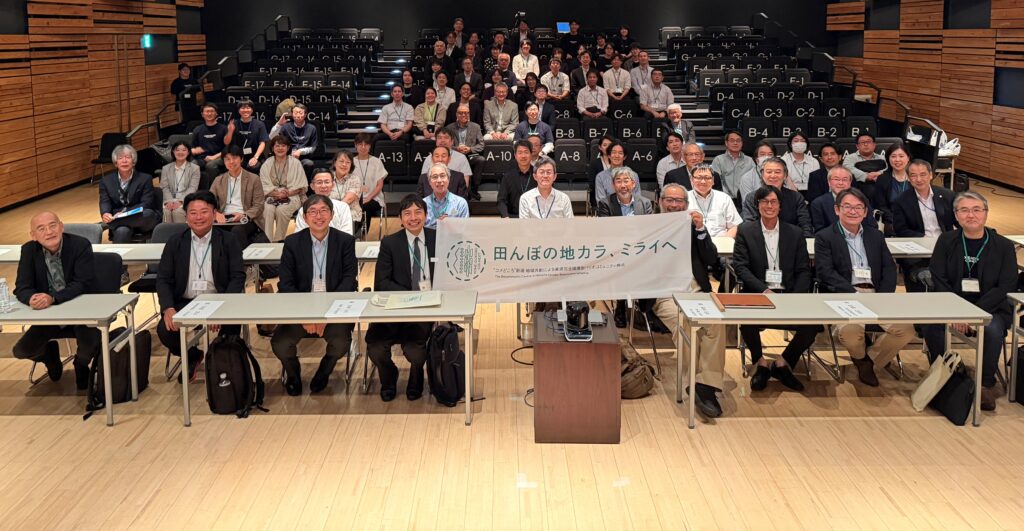
With these hopes for future collaboration, the symposium came to a close.
* Field Trip
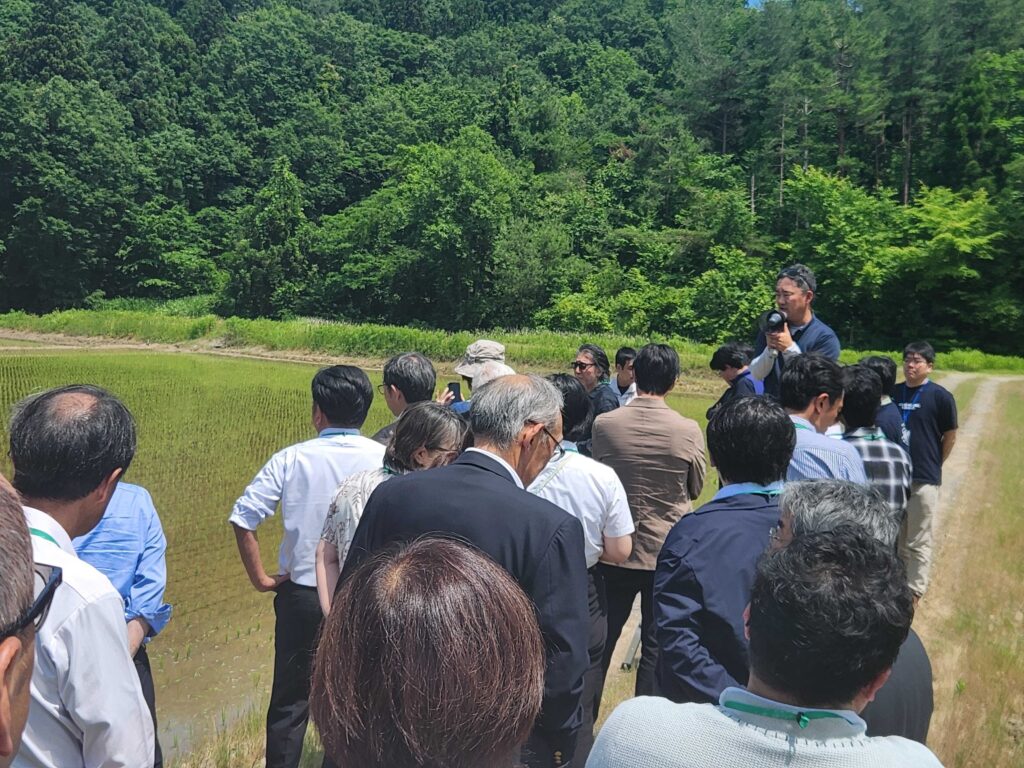
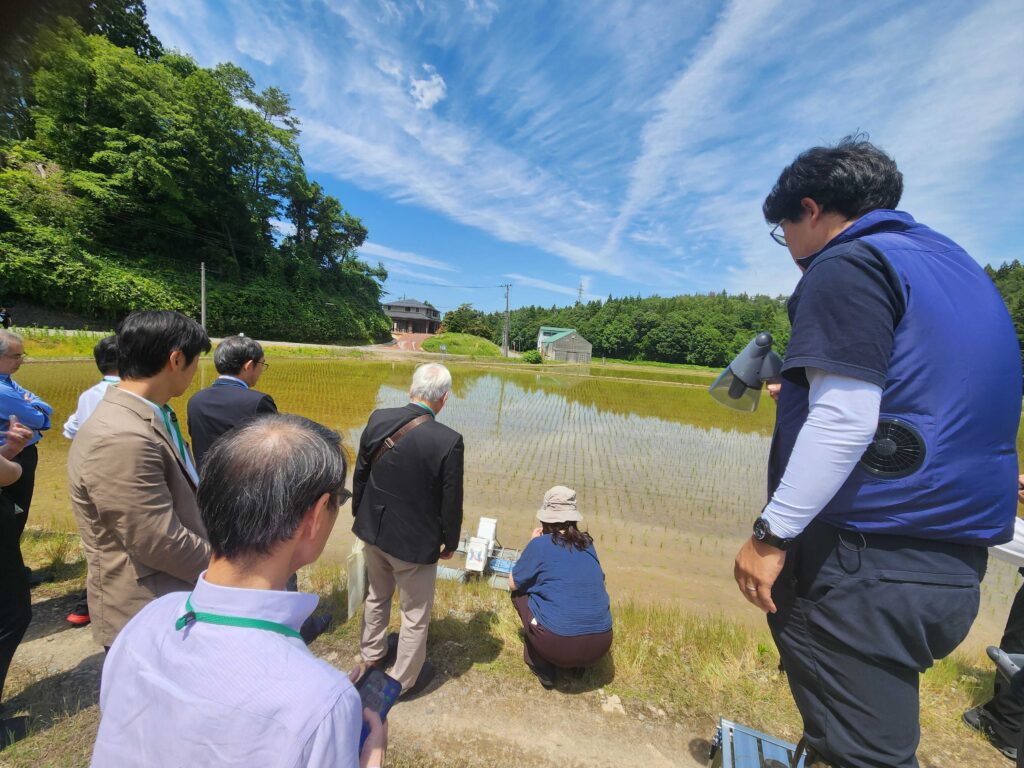
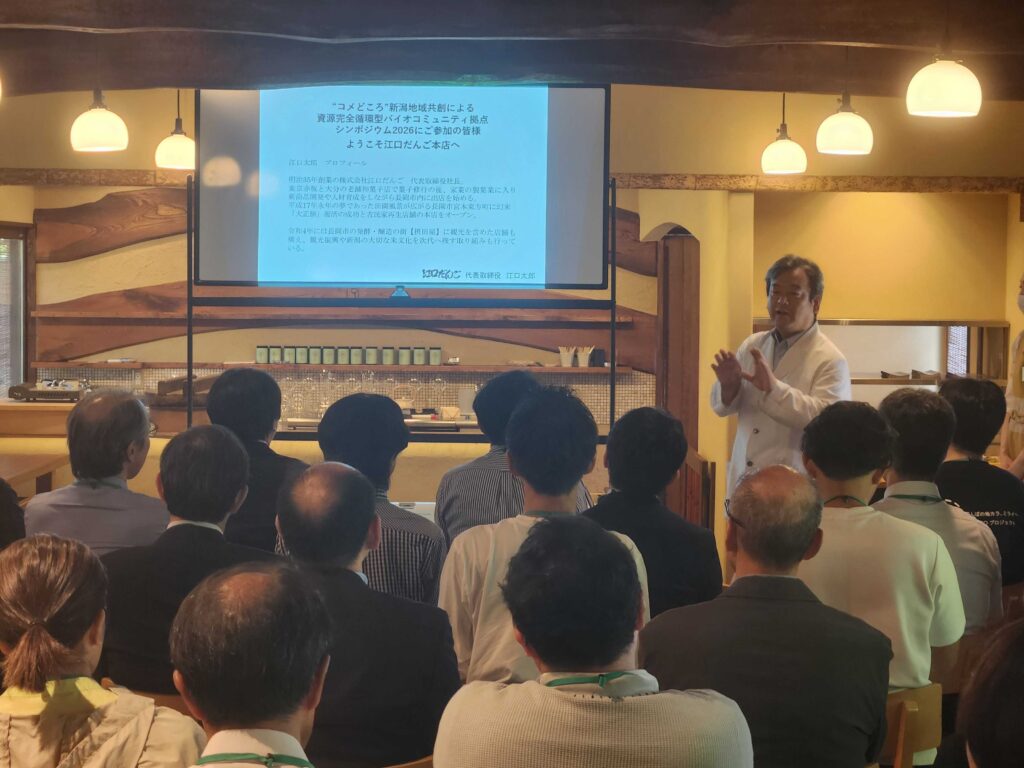
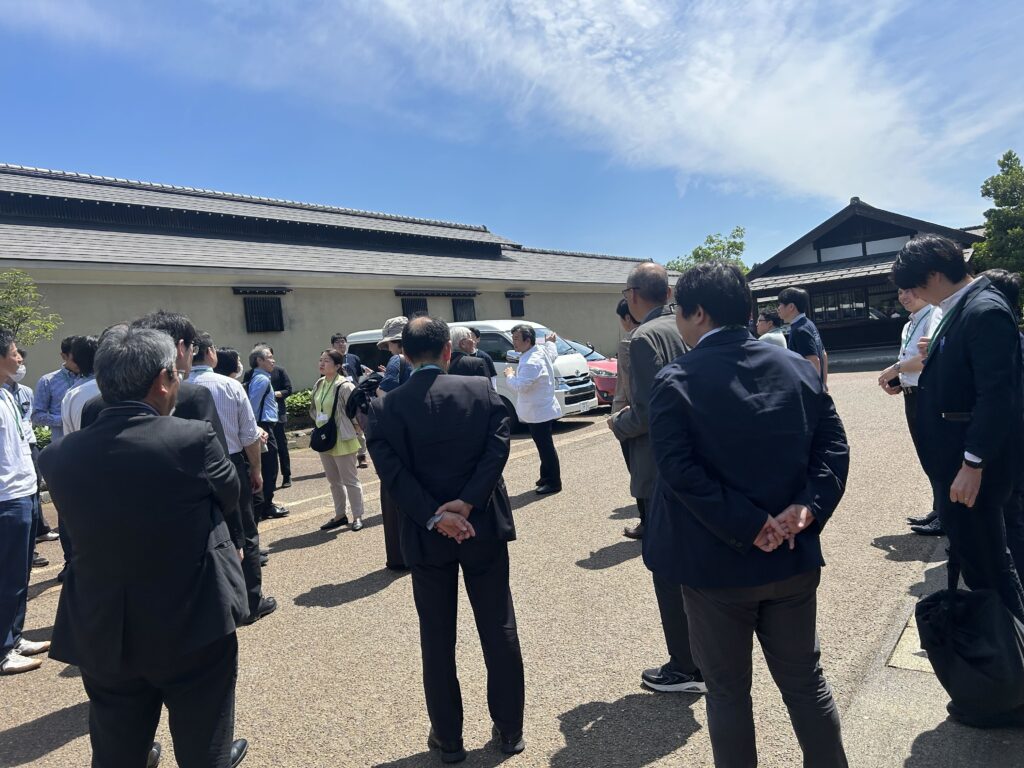
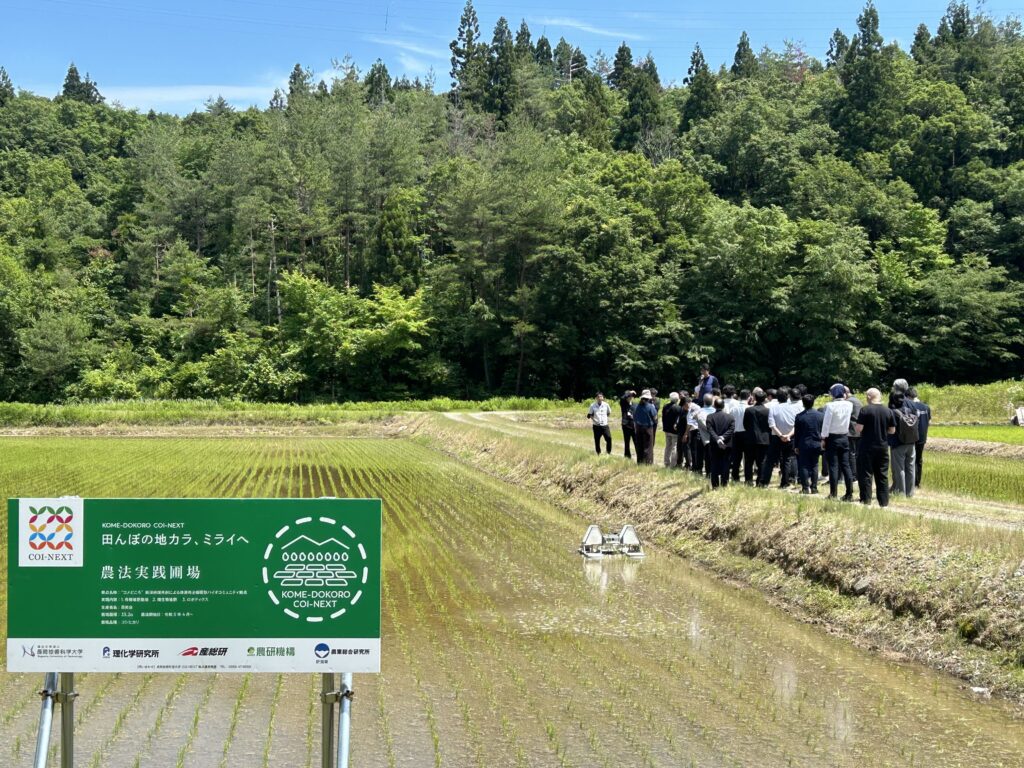
For this symposium, we organized a field trip prior to the event to help participants gain a deeper understanding of the organizations associated with the Nagaoka hub.
This time, we visited the following places.
・ Nagaoka University of Technology, Regional GX Innovation Co-creation Center
・ Contract Farms of Hyakusho-kai, Ltd.
(Including a tour of test runs of the compact weed-control robot currently under research and development at the COI-NEXT Nagaoka facility)
・ Eguchi Dango Co., Ltd.
Although it was our first attempt, it was very well received by the participants.
We plan to actively incorporate field trips into future events at this center.
Unfortunately, for those of you who were unable to attend, we look forward to seeing you at the next event.